feed twitter twitter facebook

A Rich Life

The Old Ideas on Saving & Investing Don't Work -- Here's What Does

  • "Valuation-Informed Indexing Is the Same Song We Sing. Glad You Belong to the Same Choir We Do."


    Carolyn McClanahan, Director of Financial Planning
    for Life Planning Partners, Inc.

  • "Retirees Now Frequently Base Their Retirement Decisions on the Portfolio Success Rates Found in Research Such as the Trinity Study.... This Is Not the Information They Need for Making Their Withdrawal Rate Decisions."


    Wade Pfau, Academic Researcher

  • "The P/E10 Tool Could Drastically Change
    How the Entire Investment Industry
    Operates and Measures Risk."


    Larry, A PassionSaving.com Site Visitor

  • "The Your Money or Your Life Book
    for a New Generation."


    Beatrix Fernandex, Book Reviewer
    for Dollar Stretcher Site

  • "A Newer School of Thought Believes That the Safe Withdrawal Rate Depends on How Stocks Are Priced at the Time You Begin Making Withdrawals."


    Scott Burns, Dallas Morning News Finance Columnist

  • "A Fascinating Retirement Calculator."


    Michael Kitces, Maryland Financial Planner

  • "The Evidence is Pretty Incontrovertible. Valuation-Informed Indexing...Is Everywhere Superior to Buy-and-Hold Over Ten-Year Periods."


    Norbert Schenkler,
    Co-Owner of Financial WebRing Forum

  • "Every Detail Shows Rob's Respect
    for His Information and His Reader."


    Audrey Owen, Owner of Writer's Helper Site

  • "You’ve Accomplished Something Radical
    With Your Idea of Passion Saving."


    Mark Michael Lewis,
    Money, Mission & Meaning Talk Show Host

  • "Big Moves Out of Stocks Should Not Be Done at All. But Strategic Asset Allocation Can Be Done At Very Rare Times, Maybe Six Times in an Investor’s Lifetime, Three Times When the Market Is Stupidly High and Three Times When Stupidly Low."


    John Bogle, Founder of Vanguard Funds

  • "Valuation-Informed Investing and Passive Investing
    Share More of a Common Ancestry
    Than It Might Appear at First."


    Jacob Irwin, Owner of Passive Investing Blog Carnival

  • "It Is Great to See a Finance Journalist Who Understands That Valuations Matter. Efficient Market Zealotry Is Rampant in the Journalism Community. I Just Love Your Valuation-Based Return Calculator."


    Rich Toscano, Pacific Capital Associates

  • "There Is Always An Unlimited Supply of Complainers Against Any Good Idea."


    Mr. Money Mustache Blogger

  • "Rob: This Has Been One of the Most Insightful and Helpful Comments I Think Anyone Has Ever Posted. Thank You for This Lesson and for Sharing Your Knowledge on This Subject!"


    My Money Design Blogger

  • "There Is An Extensive Literature About the Predictability of Long-Term Stock Returns. There Is an Extensive Literature About Short-Term Market Timing. My Question Is About Long-Term Market Timing. The Literature Seems Slim."


    Wade Pfau, Retirement Income Professor
    at The American College

  • "Your Ideas Are Sound."


    Rob Arnott, Financial Analysts Journal Editor

  • "For Years, the Investment Industry Has
    Tried to Scare Clients Into Staying Fully Invested
    in the Stock Market at All Times, No Matter
    How High Stocks Go. It's Hooey.
    They're Leaving Out More Than Half the Story."


    Brett Arends, The Wall Street Journal

  • "There Are Time-Periods Where Stocks Are a Terrible Addition to That Portfolio. Yet Inexplicably, We As Planners STILL tend to Suggest That It Is 'Risky' to Not Own Stocks When in Reality the Only Risk Is to Our Business."


    Michael Kitces, Maryland Financial Planner

  • "Valuation-Informed Indexing Provides More Wealth for 102 of 110 of the Rolling 30-Year Time-Periods While Buy-and-Hold Did Better in Eight of the Periods."


    Wade Pfau, Academic Researcher

  • "There Is a Growing Behavioral Economics Movement, But It So Far Has Had Limited Impact. Economists Are Not Fond of the Softness and Imprecision of Psychology. These Notions Are Considered Vaguely Unprofessional and Flaky."


    Robert Shiller, Yale University Economic Professor

  • "I Would Occasionally Get a Response Post
    Saying I Was 'the Best Since Rob Bennett
    Challenged Us to Think.'"


    A Popular Bogleheads Forum Poster Named "Retired at 48" Who Was Banned for Challenging Buy-and-Hold

  • "New Research by Rob Bennett Shows That
    Even a 4% Withdrawal Rate Could Cause Failure
    If You Start Retirement When
    Stock Market Valuations Are High.”


    Bernard Kelly, Consultant

  • "FuhGedDaBouDit!"


    William Bernstein, Author of
    The Four Pillars of Investing
    (When Asked Whether We Can Use the Old School Safe Withdrawal Rate Studies to Plan Our Retirements)

  • "This [The Stock-Return Predictor]
    Is a Very Handy Little Tool."


    Felix Salmon, Market Movers Blog

  • "A Much Simpler Way to Bring
    the Valuation Issue to Focus."
    (Referring to The Stock-Return Predictor)


    Karteek Narayanaswarmy, Blogger

  • "It's Informative, It's Based on Solid Data and It Provides Useful Results." (Referring to The Stock-Return Predictor)


    Political Calculations Blog

  • "Meet Three Couples Who Left the Corporate World to Do the Kinds of Work That Satisfied Them."


    Liz Pulliam Weston, MSN Money Columnist

  • "I Like Rob's Fresh Views and Tips
    on the Subject of Saving Money."


    The Digerati Life Blog

  • "A Very Solid Approach to Investing."


    Michael Harr, Founder of Walden Advisors

  • "Rob Bennett Has Been on a Tear With One Outstanding RobCast After Another."


    John Walter Russell, Owner of
    Early-Retirement-Planning-Insights.com Site

  • "It’s Time for a Different Way to Look at Investing, and Rob Is Onto Something Here."


    Kevin Mercadante, Owner of Out of Your Rut Blog

  • "My Afternoon Train Reading."
    (Referring to Rob's Article titled
    Why Buy-and-Hold Investing Can Never Work)


    Barry Ritholtz, Owner of The Big Picture Blog

  • "What Is It With Guys Named Rob?
    Longtime Index Agitator Rob Arnott Has Now
    Been Joined on These Pages by a
    Vanguard Diehard Agitator Named Rob Bennett."


    Jim Wiandt, IndexUniverse.com Publisher

  • "He Offers a Fresh New Perspective
    that Will Motivate You to Get on Track
    With a Solid Savings Plan."


    Lynn Terry, Click Newz Blog

  • "While Browsing at www.PassionSaving.com the Other Day, I Discovered an Article Featuring Ten Unconventional Money-Saving Tips. Each of These Offers a New Way to See Money."


    J.D. Roth, Owner of Get Rich Slowly Site

  • "Rob Has Ideas About Investing That Many Bloggers Find 'Interesting.' His Posts Are Often Controversial and Always Thought Provoking."


    Miranda Marquit, Planting Money Seeds Blog

  • "Is There a Way to Turn Saving Into Something Fun? If There Was, I Bet a Lot More of Us Would Do a Lot More Saving. I Found a Website Where This Basic Premise Is Explored in Great Depth."


    The Great WeiszGuy Blog

  • "I Have Much More Confidence in My Ability to Understand What Is Happening....I Thank You for Your Public Service, and, In Another Dimension, for the Personal Courage It Took to Make It Happen."


    Elizabeth, A PassionSaving.com Site Visitor

  • "I Was Hooked on the Idea of [Passive] Index Indexing, But Something Inside Made Me Wonder "Too Good to Be True?" and "What's the Downside?" I Happened on to Your Site and Valuation-Informed Indexing Seems to Make Sense."


    Coleen, PassionSaving.com Site Visitor

  • "Reads Like a Casual Conversation
    with a Likable Guy Who Wants Nothing More
    Than to Help Others Experience the Same Joy
    and Happiness He Has Found."


    Kara, Reader of Rob's Book

  • "Your 'Secrets' Are Exactly Like Magic Tricks: Once Revealed, They Look So Simple, Yet You Need Somebody to Show You How It Works."


    Kramerizio, Secrets of Retiring Early Reader

  • "Rob's Da Man! Never in the History of the Diehards Forum Has One Poster, Always Making Civil and Well Thought-Out Posts, Managed to Irritate So Many Without Anyone Being Able to Articulate a Good Reason As to Why."


    Mephistopheles, Bogleheads Forum Poster

  • "I’ve Been Surprised at How Controversial This Idea Is, but If Most People Are Buying and Holding, They Are Emotionally Invested in This Strategy."


    Jennifer Barry, Live Richly Blogger

  • "The Findings for [Long-Term] Market Timing Are So Robust That It Hardly Matters How We Do It."


    Wade Pfau, Asociate Professor of Economics

  • "The Elegant Simplicity of His Ideas Throughout Warms the Heart and Startles the Brain."


    Tom Gardner, Co-Founder of the Motley Fool Site

  • "Mr. Bennett Evidences an Unusual Skill....
    You'll Have to Buy a Copy....Extraordinary....
    A Massive Heap of Crap."


    John Greaney,
    Owner of the Retire Early Home Page Site

  • "By Reading All the Information on Your Website I Was Able to Develop a Part of Me I Didn't Know I Would Be Able to Become."


    Javier, PassionSaving.com Site Visitor

  • "Innovative Financial Thinking."


    No Limits, Ladies Blog

  • "Knowledgeable."


    Hope to Prosper Blog

  • "Holy Toledo! This Is Great Stuff!"


    Bill Schultheis, Author of
    The New Coffeehouse Portfolio

  • ""He Offers Down-to-Earth But
    Nevertheless Eye-Opening Insights About
    the Why and the How of Early Retirement."


    Secrets of Retiring Early Reader

  • "Challenges Unfounded Assumptions."


    Bill Sholar, Founder of the Early Retirement Forum

  • "Seminal."


    John Greaney, Owner of Retire Early Home Page Site
    (Pre-May 13, 2002 Version)

  • "It’s Always Good to Read Something New That Challenges Your Way of Thinking."


    Invest It Wisely Blog

  • "Rob, Thanks for All of Your Articulate, Well-Written and Well-Reasoned Commentary."


    Elle, a Poster at the Joe Taxpayer Blog

  • "Although Rob and I Don’t See Eye to Eye
    on Every Detail, His Site Is a
    Valuable Resource for Research."


    Ken Faulkenberry, Portfolio Manager

  • "Thanks, Rob. I Love Seeing So Many
    Personal Finance Bloggers Who Offer Such
    High Quality Content on Their Own Sites Come Here
    to Weigh In [on Your Ideas]."


    Married With Debt Blogger

  • "A Ton of Tremendously Useful Content."


    Network Abundance Radio

  • "Your Enthusiasm Is Infectious."


    Ruth, a PassionSaving.com Site Visitor

  • "I Woke Up at 4:00 am and Stared at the Wall for 20 Minutes....Thank You for Doing What You Do."


    Tasha, A PassionSaving.com Site Visitor

  • "It Might Just Give You
    a New Way of Looking at Saving."


    Kevin Surbaugh, Owner of Debt Free 4Ever Blog

  • "'Staying Too Long in a Job Where You Don’t Feel Relevant Takes a Toll,' Said Rob Bennett, Who Worked for Years in a Well-Paying Corporate Communications Job Where He Didn’t Have Enough to Do."


    The New York Times

  • "You Have Started One of the Most Interesting
    and Stimulating Discussions This Board has Seen
    in a Long Time."


    Poster at Motley Fool Site

  • "A Respected Author and Commentator, Mr. Bennett has Dedicated Himself to Educating Average Investors to Avoid the Most Common Errors."


    Liberty Watch Site

  • "I've Gone from Shattered Dreams of Early Retirement to Glimpses of Hope to Reassurance from Quantitative Research."


    Patricia, A PassionSaving.com Site Visitor

  • "Some of the Most Helpful and Insightful Market Discussions on the Web Take Place on These Pages."


    A Poster at the Safe WithDrawal Rate Research Group
    (Founded by Rob)

  • "Rob is the Only Person I Know (If Only via Message Board) Who has Completely Opted Out of Participation in the Stock Bubble. And You Know What? He Has Benefited Immensely from Doing So."


    Poster at Motley Fool

  • "Makes the Subject of Saving Edgy and Fresh."


    Maxine, A Reader of Rob's Book

  • "Rob Bennett, the Author of a Book Called Passion Saving, Thinks the Saving Problem Is Partly One of Packaging. So He Prefers to Couch it in the Language of Freedom."


    The Wall Street Journal

  • "This Tip Comes from Rob Bennett
    of the Finance Site PassionSaving.com."


    Lifehacker.com

  • "I LOVE This Article and
    Am Proud to be Publishing It!"


    Chuck Yanikoski, Executive Director of
    The Association of Integrative Financial
    and Life Planning

  • "Rob Bennett: Some People Disagree With Him, and He Rubs a Lot of People the Wrong Way. But He Has Interesting Ideas About Valuation-Informed Indexing, and He Delves Into a Lot of What Makes a Successful Investing Strategy."


    Miranda Marquit, Planting Money Seeds Blog

  • "Rob….Wow…..Your Response Sent Shivers
    Up the Ol’ Pilgrim Spine."


    Neal Frankie, Owner of the Wealth Pilgrim Blog

  • "I Have Counseled My Clients to Allocate a Percentage to Equities Based Upon Market Valuations....I Feel Like I've Found a Kindred Spirit. Fascinating Web Site."


    Tom Behlmer, Financial Planner

  • “A Simple Age-Based Asset Allocation Formula Is Not Appropriate, and Any Sensible Asset-Allocation Formula Should Combine Both Age/Investment Horizon and Market Valuation Levels.”


    RationalInvestor.biz

  • "Had a Guest Post This Week from Rob Bennett, Where He Discusses the Benefits of Value-Informed Indexing, Which I Find Very Intriguing."


    Sustainable Personal Finance Blog

  • "I Can Appreciate Rob's Comments.... Buy-and-Hold?
    For the Most Part, a Long Obsolete Theory."


    Neal Deutsch, Certified Financial Planner

  • "Utterly Brilliant!"


    Secrets of Retiring Early Reader

  • "Your Website Is So Enjoyable That It Is Keeping Me From My Research As I Am So Excited That I Have Found Such a Valuable Resource."


    Stuart, a PassionSaving.com Site Visitor

  • "What We're Talking About Here Really
    ...Is Empowerment."


    Motley Fool Poster

  • "The Return Predictor Is Based upon the Principle that Over the Long Term, Stock Market Prices Will Reflect the Ten-Years Earnings Growth of the Underlying Companies. Prices Return to a Common Growth Pattern."


    Links.com Review of The Stock-Return Predictor

  • "Rob’s Arguments in Favor of Value Investing Actually Make a Lot of Sense In a Way That Should Make Any Rational Buy-and-Holder Uncomfortable."


    Pop Economics Blog

  • "What I Don't Understand Is How Rob Can Correspond in Such a Sweet and Polite Way
    -- Yet He Irritates Me to No End!"


    Financial WebRing Forum Poster

  • "You Go About It in a Manner that is Catastrophically Unproductive by Adding Missionary Zeal that Inflates Your Importance and Demeans Others. The Whole Idea That There is a New School of Safe Withdrawal Rates Reeks of Personal Aggrandizement."


    Scott Burns, Dallas Morning News

  • "Inflammatory."


    Morningstar.com Site Administrator

  • “What Warren Buffett Did Was Essentially Quite Close to What Rob Bennett Has Written. Buffett Has in Fact Been Cleverly Incorporating Long-Term Market Timing Based on Valuation of the Market in His Allocation of Money to Stocks.”


    Investor Notes Blog

  • "This Report Offers A Fresh Perspective That Is Rarely Found In Other Financial Literature."


    Secrets of Retiring Early Reader

  • "Rob Bennett Says That Market Timing Based on Aggregate P/E Ratios Can Be a Far More Effective Strategy. This Claim Is Consistent With Shiller's Analysis and I Can See How It Might Be So."


    Rajiv Sethi, Economics Professor at Columbia Univeristy

  • "Retiring Early Was A Concept I Did Not Entertain. I Was Going to Retire at 65 After Putting in 40 Years. Now I Am Glad To Say That All That Has Changed."


    Secrets of Retiring Early Reader

  • "In a Couple of Days, I Had
    Devoured the Entire Book."


    Reader of Rob's Book

  • "FIRECalc May Not Be the Last Word
    on Safe Withdrawal Rates."


    Jonathan Clements, Wall Street Journal

  • "It Seems to Me That Some on This Board Feel Threatened by the Arrival of Rob and His Ideas. They Feel a Threat to Their Perceived Elite Status."


    Motley Fool Poster

  • "You've Got to Say One Thing for Rob. He Has NEVER Lowered Himself to Ad Hominen Attacks -- Subliminal or Otherwise -- on Any Other Person on This Board. Not Once. Ever. At Least Give Him Credit for That."


    Motley Fool Poster

  • "I Have Never Seen Rob Show Incivility. No Matter What. Truly Amazing. Either He Is Really the Output of an Artificial Intelligence Program, or the Man's on the Way to Becoming a Saint!"


    Early Retirement Forum Poster

  • "You're the Politest Guy on the Internet.
    Such a Soft Touch!"


    Jonathan Lewis

  • "Props for Keeping Your Cool in the Married with Debt Article. Best of Luck Combating Buy-and-Hold."


    Money Mamba Blogger

  • "I Caught Up [at the Financial Bloggers Conference] With a Fairly Controversial Financial Blogger
    Named Rob Bennett, Who Struck Me As the
    Nicest Guy Around. There -- I Said It!"


    Digerati Life Blogger

  • "In Rob Bennett's Case, He Was Banned for No Known Listed Forum Policy. Except His Viewpoint Was Different From Other Bogleheads and [He Was Perceived As] a Threat."


    Investor Junkie Blog

  • "Mr. Bennett, You Are Spot on About Integrating Some Type of Valuation Filter to One's Stock Allocation. Astute Investors Have Incorporated Some Type of 'Valuation Timing' Into Their Investment Decisions Since the Beginning of Time."


    Poster at the Psy Fi Blog

  • "His Insights Into What Is Really Going On In The Stock Market Are Quite Compelling."


    Future Storm Blog

  • "It Was an Epiphany...Valuation-Informed Indexing Beats Buy-and-Hold Over Most Long-Term Holding Periods at Much Lower Volatility."


    Sam, a PassionSaving.com Site Visitor

  • "I Am Intrigued By Your Ideas."


    Adam Butler, Portfolio Manager

  • "I Read the Book and I Loved It.
    The Philosophy Resonated with Me.
    I Am a Believer in Your Concept."


    Dr. Peter Weiss, Author of More Health, Less Care

  • "If Your Investment Ideas Can Do for Investing
    What Weston Price’s Ideas Did for Food,
    You’ve Got Our Attention."


    End Times Hoax Blog

  • "I Have Looked at His Website and Reviewed His Research and Find It Both Compelling and Completely Logical and Common-Sense-Based."


    Poster at Free Money Finance Blog

  • "If Investors Paid More Attention to Valuations, We Would Have Fewer Boom-and-Bust Cycles. The Investing Institutions Are Definitely Going to Avoid It Because It Affects Their Income."


    Hope to Prosper Blog

  • "The Calculators on Your Site Are Great Resources. It Amazes Me How So Many People Can Say 'Valuations Matter' Yet, in the Next Breath, They'll Say That We Should Ignore Valuations."


    John Marlowe, Logistics Analyst at Hess Corporation

  • "Must Read As Per My Viewpoint
    For All Value Seekers."


    Ajit Vakil, Value Investing Congress

  • "His Approach Is Both Mathematically Rigorous
    and Easy to Understand."


    Online Investing AI Blog

  • "There Is Nothing More Doubtful of Success Than a New System. The Initiator Has the Enmity of All Who Profit By Preservation of the Old Institution and Merely Lukewarm Defenders in Those Who Gain By the New One."


    Machiavelli

  • "Difficult Subjects Can Be Explained to the Most Slow-Witted Man If He Has Not Formed Any Idea of Them. But the Simplest Thing Cannot Be Made Clear to the Most Intelligent Man If He Believes He Knows Already What Is Laid Before Him."


    Tolstoy

  • "I Am Not Afraid. I Was Born to Do This."


    Joan of Arc

  • "I Certainly Have Seen the Academic Profession Squelching Unfashionable ideas and Have Often Been on the Wrong Side of It. Kuhn Shows How Most Pathbreaking Scientific Ideas Are Rejected at First, Usually for Decades.”


    Carol Osler, Brandeis International Business School

  • "First They Ignore You, Then They Ridicule You, Then They Fight You, Then You Win."


    Ghandi

  • "We Cannot Assume the Existence of Predictability Just Because There Are No Studies That Fully Reject It."


    Valeriy Zakamulin, Economics Professor

  • "I Am Also Extremely Grateful to Rob Bennett for Motivating This Topic and Contributing His Experience and Encouragement."


    Wade Pfau, Academic Researcher

  • "Rob Bennett Was an Early Pioneer in 3rd Generation Modeling by Advocating (Through Various Online Forums) that Withdrawal Rates Must Be Adjusted for Market Valuations Consistent with Research by Campbell and Shiller."


    Todd Tresidder, Financial Mentor Blog

  • "I Am Fascinated by the Growing Body of Research that Revolves Around the P/E10 Ratio by Robert Shiller, Doug Short, Wade Pfau, Michael Kitces, John Hussman, Crestmont Research, Jim Otar, Mike Philbrick, Adam Butler & Rob Bennett."


    Kay Conheady in Advisor Perspectives

  • "Rob Is an Enigma in the Personal Finance World. He Has Interesting Theories on Investing Based on Market Valuations. But He Weaves a Tale Which Makes the Stories of Alexander Litvinenko & Gareth Williams Seem Tame by Comparison."


    Don't Quit Your Day Job Blog

  • "In Recent Years, the 4 Percent Rule
    Has Been Thrown Into Doubt."


    The Wall Street Journal

  • "A Safe Withdrawal Rate Is Very Dependent
    on the Valuation of the Stockmarket
    at the Retirement Date."


    Economist Magazine

  • "I Have Read Everything I Can About Valuation-Informed Indexing. Buy-and-Hold Is Extremely Problematic. I Respect the Passion, Hard Work and Research That You Have Put Into This Very Important Issue. Your Work Has Huge Value."


    Carl Richards, Owner of Clearwater Asset Management

  • "The World of Personal Finance Blogging Needs More Rob Bennetts. He’s Passionate. He’s Intelligent. He’s Writing Things That Go Against the Grain."


    Financial Uproar Blog

  • "Beyond Awesome."


    Larry, a PassionSaving.com Site Visitor

  • "The Wealth Management Industry Seems Intent on Containing This Discussion for Fear Clients Might Discover that the Emperor Has No Clothes."


    Adam Butler, Portfolio Manager

  • "Recommended Reading."


    Jesse's Cafe Americain Blog

  • “All Who Are Still Holding Equities at Present Levels Because Their Financial Adviser Insists that Timing Market Cycles Is Impossible to Do -- Read This!"


    Juggling Dynamite Blog

  • "The Fact that Aggressive and Short-Term Market Timing Was Unproductive Did Not Mean That There Were Never Times When It Would Be Wealth-Maximizing to Get Out of the Market."


    Scott Burris,Director of the Center for
    Health Law, Policy and Practice

  • "The Amount of Return You Can Expect From a Diversified Equity Portfolio Is Inversely Correlated to the Market Valuation at the Start of the Holding Period. It Is One of the Most Robust Statistical Relationships in Modern Finance."


    Todd Tresidder, Financial Mentor Blog

  • "Why Would Your Job Be Jeopardized
    By Such a Sensible Claim?"


    Marcelle Chauvet, Econmics Professor
    at University of California

  • "Received Worrisome E-Mail from Rob Bennett. Warns of Risk with Buy-and-Hold Investing
    -- I Have No Clue."


    Vivek Wadhaw, Business Week Columnist

  • "As Attorney, Tax Expert and Financial Writer Rob Bennett Told Us, the Problem Is That, By the Time Shiller Published His Research, Many Big Names Had Already Endorsed Buy-and-Hold."


    ZeroHedge.com

  • "This Seems to Me to Be a Fundamental Challenge to Some of the Most Basic Tenets of the Boglehead Paradigm."


    Bogleheads Forum Poster

  • "You Want to be Very, Very Wary of Anything Connected with Rob Bennett, the Most Infamous Troll in the History of Investing Forums on the Internet."


    Alex Fract, Owner of Bogleheads Forum

  • “I’ve Had My Fill of Those Long-Winded Posts that Include Distortions, Unsubstantiated Claims, Misquotes and Comments Taken Out of Context.”


    Mel Lindauer, Co-Author of
    The Bogleheads Guide to Investing

  • "Haven't You Noticed Yet That NO ONE Discusses Your Ideas, NO ONE Mentions Your Name, NO ONE Goes To Your Web Site."


    One of the Greaney Goons

  • "I've Had Similar Experiences. I Know of Two Young Professors Who Wanted to Do Research on Fundamental Index and Reported to Me That Their Colleagues Advised Them That This Line of Research Could Derail Their Career Prospects."


    Rob Arnott, Financial Analysts Journal Editor

  • "As with Drug Studies Funded by Drug Companies, It Would Be Churlish to Suppose that the Chicago School of Business Was in the Bag. But It Would Also Be Idealistic to Assume That There Was No Funding Bias at All."


    Bogleheads Poster

  • "This Sort of Intimidation Is Not Acceptable. The Cigarette and Pharmaceutical Industries Found Research Supporting Their Products By Funding It. But That Was Big Money Supporting Outcomes, Not Dissuading Others."


    Lyn Graham, 25-Year CPA

  • "Financial Economists Gave Little Warning to the Public About the Fragility of Their Models. There Is No Ethical Code for Professional Economic Scientists. There Should Be One."


    Paper Titled The Financial Crisis and
    the Systemic Failure of Academic Economics

  • "The Situation [Referring to the Intimidation Tactics Used to Silence Academic Researcher Wade Pfau's Reporting of the Dangers of Buy-and-Hold Investing Strategies] Seems Well Below Any Professional and Academic Acceptable Standards."


    Albert Sanchez Graells, Law Lecturer

  • Many Academics Can Become Quite Strident When Their Views Are Challenged. Academia Is Often Subject to Self-Serving Bias That Obliterates Ethical Bounds."


    Ted Sichelman, Law Professor

  • "I Don't Like Too Much the Conspiracy Idea. I Am Not Pressured By Anyone in My Research."


    Roberto Reno, Economics Professor

  • "This Is What Investing Should Be -- Calculated, Deliberate, Confident, Informed and Simple."


    Aaron Friday, Owner of Aaron's Blob Blog

  • "It Is Obvious that Rob, in Attempting to Identify New Safe Withdrawal Rate Strategies...Is Goring Your Ox. If Rob Improves on [the] Safe Withdrawal Rate Methodology, the Implication Is Clear: You Are All, Metaphorically, Out of Business."


    Bogleheads Poster

  • "I Applaud His Effort to Inject Another Piece of Objectivity Into a Very Complex, Highly Subjective Topic -- Making Money in the Market."


    Bogleheads Poster

  • "Naturally, I Am Finding That Valuation-Informed Indexing Can Allow You to Reach a Wealth Target With a Lower Saving Rate and to Use a Higher Withdrawal Rate in Retirement Than You Could With a Fixed Allocation."


    Wade Pfau, Professor of Retirement Income
    at The American College

  • "A Careful Examination of Past Returns Can Establish Some Probabilities About the Prospective Parameters of Return, Offering Intelligent Investors a Basis for Rational Expectations About Future Returns."


    Jack Bogle, Founder of Vanguard Funds

  • "The Ability to Estimate the Long-Term Future Returns of the Major Asset Classes Is Perhaps the Most Important Investment Skill That An Indivisual Can Possess."


    William Bernstein, Author of The Four Pillars of Investing

  • "The Stock Market Resembles Roulette. In Both Cases, the Accuracy of Sensible Forecasts Rises Over Time."


    Andrew Smithers, Co-Author of Valuing Wall Street

  • "Returns Are for the Most Part a Matter of Simple Arithmetic...Much of Our Industry Seems Fearful of Basic Arithmetic of This Sort."


    Rob Arnott, Financial Analysts Journal Editor

  • "How Can It Be That One-Year Returns Are So Apparantly Random and Yet Ten-Year Returns Are Mostly Forecastable? In Looking at One-Year Returns, One Sees a Lot of Noise. But Over Longer Time Intervals the Noise Effectively Averages Out and Is Less Important."


    Yale Economics Professor Robert Shiller

  • "The Notion That Rich Valuations Will Not Be Followed By Sub-Par Long-Term Returns Is a Speculative Idea That Runs Counter to All Historical Evidence. It Is an Iron Law of Finance That Valuations Drive Long-Term Returns."


    John Hussman

  • "It's January and the Temperature Is Below Freezing. If You Asked Me Whether It Will be Warmer or Cooler Next Tuesday, I Would Be Unable to Say. However, If You Asked Me What Temperature to Expect on April 9, I Could Predict "Warmer Than Today" and Almost Surely Be Right."


    Michael Alexanfer, Author of Stock Cycles

  • "If the Response Is "Who Knew?", It Won't Be Much Comfort for Retirees in the Employment Line at Wal-Mart. This is Especially True Since a Rational Understanding of History and the Drivers of Longer-Term Stock Returns Can Help Retirees To Avoid That Surprise."


    Ed Easterling, Author of Unexpected Returns

  • "New of the Demise of the Random Walk Has Only Very Slowly Spread, In Part Because Its Overthrow Came as a Shock. If the Random Walk Hypothesis Were Correct, the Most Likely Return Would Be the Historic Average Return. The Evidence, However, Is Strongly Against This."


    Andrew Smithers, Co-Author of Valuing Wall Street

  • "I Don't Think We Can Debate the Merits of This Type of Forecasting [Referring to the Numbers Generated by The Stock-Return Predictor] Unless We Believe 'This Time It's Different.'"


    Poster at Bogleheads Forum
    (Before the Ban on Honest Posting Was Adopted There)

  • "I've Seen Absolutely Nothing From You That I Can Use in a Tangible Fashion to Formulate an Investment Plan. Your Ideas Are So Mushy That It's a Complete Waste of Time to Even Consider Them."


    Bogleheads Forum Poster

  • "Do You Really Think Your Tool
    [The Stock-Return Predictor]
    Is 'Wiser' Than the Market?
    If It Was That Easy,
    Everybody Would Be Doing It."


    Bogleheads Forum Poster

  • "The Expected Return of Stocks [As Reported By The Stock-Return Predictor] Needs To Be At Least the Treasury Inflation-Protected Securities (TIPS) Rate for Stock Investing To Make Sense."


    Bogleheads Forum Poster

  • "I Have Used Valuations to Adjust My Asset Allocation For Many Years With Very Favorable Results."


    Poster at Bogleheads Forum
    (Prior to the Ban on Honest Posting)

  • "I Don't Care If You Do or Don't Believe That the Market Will Behave Similarly in the Future As It Has in the Past. Either Way, This [The Stock-Return Predictor] Is an Excellent Way to Understand What the Market Has Done In the Past."


    Poster at Bogleheads Forum
    [Prior to the Ban on Honest Posting]

  • "My Role Is To Give People Who Don't Like What the Historical Stock-Return Data Says About the Effect of Valuations on Long-Term Returns Somebody To Yell At On Internet Discussion Boards."


    Rob Bennett at Bogleheads Forum
    (Prior to the Ban on Honest Posting)

  • "It Really Is a Shame and Indefensible That So Many Feel the Need to Jump Into It With No Interest of Posting on the Topic But Just to Disrupt. Are You That Insecure? Some on the Forum Have an Interest in This Topic. If You Don't, Stay Out!"


    Poster at Bogleheads Forum
    [Prior to the Ban on Honest Posting]

  • "Irrational Behavior Does Follow Patterns. But How Many Experts in Behavioral Finance Believe That Such Knowledge Can Be Used to Predict Markets? Basically, None. Your Model Cannot Attain the Level of Predictive Value You Claim."


    Poster at Bogleheads Forum
    [Prior to the Ban on Honest Posting]

  • "The Safe Withdrawal Rate Studies Are Based on History. This [The Retirement Risk Evaluator] Shows, Based on the Same History, What the Probabilities Are for the Future at Various Starting Points. If the First Has Value, Then Surely This Does Too."


    Poster at Bogleheads Forum

  • "There Are Hundreds of People Who Contributed to This. This Calculator [The Stock-Return Predictor] Demonstrates in a Compelling Way the Power of This New Internet Discussion-Board Communications Medium."


    Rob Bennett at the Bogleheads Forum
    (Prior to the Ban on Honest Posting)

  • "A P/E10 of'26' Is Bad. Now Look at the 30-Year Return Predicted by the Calculator -- 5.4 Percent Real. That's Not Bad. There Are All Sorts of Strategic Implications That Follow From Understanding That Stocks Provide Different Sorts of Returns Over Different Sorts of Time-Periods."


    Rob Bennett

  • "I Would Never Invest in Anything Without Having Any Idea What the Expected Return Is. For Instance, I Would Not Walk Into a Bank And Say "I'll Take One Certificate of Deposit, Please" WIthout Asking What Rate They Are Offering."


    Poster at Bogleheads Forum
    [Prior to the Ban on Honest Posting]

  • "I've Seen Things Said on Investing Boards That I Have Never Heard Said in Discussions of Any Non-Investing Topic. The Question of Whether Valuations Affect Long-Term Returns Is a Topic That Causes People More Emotional Angst Than Does Abortion or Impeachment Proceedings or the War in Iraq."


    Rob Bennett at the Bogleheads Forum

  • "It's Not Possible For Those Who Have Come to Believe That Stocks Are Always Best to Accept that Valuations Matter. The Two Beliefs Are Mutually Exclusive. If Valuations Matter, There Is Obviously Some Valuation Level At Which Stocks Are Not Best. The Two Paradigms Cannot Be Reconciled."


    Rob Bennett

  • "The Great Safe Withdrawal Rate Is Over. Rob Bennett Has Won.The Technical Evidence Supporting This Assertion Is Rock Solid."


    John Walter Russell,
    Owner of the Early Retirement Planning Insights Site
    [This Statement Was Put Forward on August 3, 2003.]

  • "I Am Afraid that the Emperor SWR [for "Safe Withdrawal Rate"] Has No Clothes."


    A Poster at the Early Retirement Forum
    [This Statement Was Put Forward on October 8, 2003.]

  • "I Cite You and John Walter Russell in My Paper as the Earliest and Strongest Advocates of This Approach [New School Safe Withdrawal Rate Research]."


    Wade Pfau, Professor of Retirement Income
    at The American College

  • "Dear Rob -- I Just Became Aware of Your Past Research in September. Since Then, I've Read Archives From Many Discussion Boards and Websites, and I Always Find Your Writing to Be Very Interesting and Intriguing."


    Wade Pfau, Professor of Retirement Income
    at The American College

  • "I Think Rob Bennett Did Provide An Important Contribution in Terms of Describing a Way for P/E10 to Guide Asset Allocation for Long-Term Conservative Investors. I Also Think He Was Right on the Issue of Safe Withdrawal Rates."


    Wade Pfau, Professor of Retirement Income
    at The American College

  • "What Studies Show This [That Long-Term Timing Doesn't Work]? In Particular, Are There Some Academic Studies That I Haven't Found Yet? That's All I Want to Know."


    Academic Researcher Wade Pfau at the Bogleheads Forum After His Own Search of the Literature Turned Up Not a Single Such Study

  • "Because the Precise Timing of This Mean Reversion Is Not Known in Advance, Expecting the Result to Happen in the Short-Term Will Not Be Possible. But Long-Term Investors Who Can Be Patient Can Wait for This Mean Reversion and Will Eventually Come Out Ahead."


    Academic Researcher Wade Pfau

  • "Your Work Is at Odds with the Ethos of the Board -- Here the Theme is John Bogle's Philosophy, Which Eschews Market Timing. This Board Came Into Existence to ESCAPE One Individual, the Very Individual With Whom You Have Openly Aligned Yourself."


    A Lindaurhead (to Researcher Wade Pfau)

  • "The Problem With Long-Term Market Timing Is That It Takes Too Long to Find Out If You Are Right or Wrong."


    A Poster at the Bogleheads Forum

  • "Why Is It Such an Odious Violation of the Tenets of Bogleheadism to Explore Whether Someone Who Has Enough Patience Might Be Able to Benefit from the Transitory Nature of Speculative Returns (the Idea That the P/E Ratio Eventually Ends Up Where It Started)?"


    A Poster at the Bogleheads Forum

  • "Let Me Explain Why I Posted About This Here. Valuation-Informed Indexing Has Had Critics for Years. But Until Norbert Did It In 2008, Nobody Seemed to Have Provided a Serious Investigation of It. I Couldn't Understand Why. That Bothered Me."


    Researcher Wade Pfau at the Bogleheads Forum
    (Prior to the Ban on Honest Posting)

  • "If You Really Don't Like Market Timing in Any and All Forms, You May Not See Any Point in an Empirical Investigation. You View Me as One of a Long Line of Hucksters Trying to Sell You Some Snake Oil. I Don't Want to Be Such a Person."


    Researcher Wade Pfau at the Bogleheads Forum
    (Prior to the Ban on Honest Posting)

  • "Having a Completely Ineleastic Demand for Equities Is a Bit Bonkers. No One Acts That Way with Life's Other Important Commodities. Campbell Advocates a Linear Valuations-Based Strategy so That You Wouldn't Be Making Big Changes. This Would Be Like Rebalancing But More Flexible."


    A Poster at the Bogleheads Forum

  • "The Whole Idea of Valuation-Informed Indexing Belongs to You. Do You Mind if I call the Paper 'Valuation-Informed Indexing'? I Would Give You Credit. I Have Been Toying With the Idea of Sending the Paper to the Journal of Finance, Which Is the Most Prestigious Journal in Academic Finance."


    Academic Researcher Wade Pfau, in an E-Mail to Rob

  • "I Definitely Need to Cite You as the Founder of Valuation-Informed Indexing, As I Have Not Found Anyone Else Who Can Lay Claim to That. Shiller Pointed Out the Predictive Power of P/E10 But Never Discussed How to Incorporate It Into Asset Allocation, As Far As I Know."


    Academic Researcher Wade Pfau

  • "I Tested a Wide Variety of Assumptions About Asset Allocation, Valuation-Based Decision Rules, Whether the Period Is 10, 20, 30 or 40 Years, and Lump-Sum vs. Dollar-Cost Averaging To Show That the Results Are Quite Robust to Changes In Any of These Assumptions."


    Academic Researcher Wade Pfau

  • "Yes, Virginia, Valuation-Informed Indexing Works!"


    Academic Researcher Wade Pfau
    (Wade Holds a Ph.D. in Economics from Princeton.)
    (The Buy-and-Hold Mafia Threatened to Get Wade Fired From His Job When He Reported His Findings.)

  • "I Wrote Up the Programs to Test Your Valuation-Informed Indexing Strategies Against Buy-and-Hold and I Am Quite Excited. You Say in the RobCast That VII Should Beat Buy-and-Hold About 90 Percent of the Time. I Am Getting Results That Support This."


    Academic Researcher Wade Pfau

  • "Never Underestimate the Power of a Dominant Academic Idea to Choke Off Competing Ideas, and Never Underestimate the Unwillingness of Academics to Change Their Views in the Face of Evidence. They Have Decades of Their Research and Academic Standing to Defend."


    Jeremy Grantham

  • "There's So Much That's False and Nutty
    in Modern Investing Practice."


    Warren Buffett

  • "Following Conventional Wisdom Has Led a Generation of Investors Down the Road to Ruin."


    Steve Hanke

  • "It Is Sad That the Idea That Price Doesn't Matter...Should Ever Have Been Seriously Considered".


    Andrew Smithers, Co-Author of Valuing Wall Street

  • "The Conventional Wisdom of Modern Investing Is Largely Myth and Urban Legend."


    Rob Arnott, Former Editor of
    Fianncial Analysts Journal

  • "Economics Is a Dog's Breakfast of Theoretical Ideas and Alleged Causal Relationships That Are At All Times Unproven and In Dispute."


    Terence Corcoran, Editor of National Post

  • "Since They Did Not Diagnose the Disease, There Is Little Popular Confidence That They Know the Cure. What If Economics Is, Actually, At the Same Level as Medicine Was When Doctors Still Believed in the Application of Leeches?"


    Gideon Rachman, Financial Times

  • "One of the Most Remarkable Errors
    in the History of Economics."


    Yale Economics Professor Robert Shiller
    (Referring to the Logical Leap from the Finding That Short-Term Price Changes Are Unpredictable to the Conclusion That the Market Sets Prices Properly)

  • "Everything Has Fallen Apart."


    Peter Bernstein, Author of Against the Gods
    (Referring to Old Views About How Markets Work)

  • "We Wonder Why Funds and Banks, Full of the Best and Brightest, Have Made Such a Mess of Things. Part of the Reason Is That We Have Taught Economic Nonsense to Two Generations of Students."


    John Mauldin, Thoughts From the Frontline

  • "Perhaps Most Scandalously, the Theory [Behind Buy-and-Hold] Remained Received Wisdom Long After Empirical and Theoretical Arguments Had Demolished It Within the Academic Community."


    John Authers, Financial Times

  • "I Love the Humans Dearly (the Title of the Book I Am Writing Is Investing for Humans: How to Get What Works on Paper to Work in Real Life) But They Can Be a Trial at Times. Hey! Helping the Humans Learn What It Takes to Invest Effectively Is Not All That Different From Being Married!


    Rob Bennett

  • "We Are Going to See Hearts Melt Following the Next Crash. I Will Be Working Side-By-Side With All of My Many Buy-and-Hold Friends to Rebuild Our Broken Economy."


    Rob Bennett

  • "Wow, I Did Not Realize You Had Achieved This Much Success and Had Many Devoted Believers/Followers. That’s Great, Then Ignore the Opposition. It Is Great to Have Opposition: That Means You Are Doing Something Right."


    Robert Savickas, Associate Finance Professor
    at George Washington University

  • "I Do NOT Believe I Know It All. I Believe That Shiller Discovered Something Very Important and It Appalls Me That More People Are Not Exploring the Implications of His Findings. My Aim Is To Launch a National Debate."


    Rob Bennett

  • "I Can See How Many Readers Would Be Put Off by the Somewhat Sensational/Scandalist Tone and Would Not Persevere to Read, Thinking You Are Losing Your Mind."


    Robert Savickas, Associate Finance Professor
    at George Washington University

  • "I LOVE Everything About Buy-and-Hold Other Than the Failure to Encourage Investors to Take Price Into Consideration When Setting Their Stock Allocations. That's a Mistake That Was Made Because Shiller’s Research Was Not Available at the Time The Strategy Was Being Developed."


    Rob Bennett

  • "Valuation-Informed Indexing Sounds Like a Real Thing. If It Is and I Can Thoroughly Understand It, Then It Will End Up In My Classrooms and in My Students' Minds (Of Course, With References to You and Wade)."


    Robert Savickas, Associate Finance Professor
    at George Washington University

  • "I Can Confirm Wade Pfau's Experience. Whenever I Send My Papers to the Financial Analysts Journal or Similar Traditional Journals, I Get Rejected."


    Joachim Klement, CIO at Wellershoff & Partners

  • "As a Fan of Thomas Kuhn's The Structure of Scientific Revolutions, I Know That Progress Can Be Frustratingly Slow and What Is Typically Needed Is Either a Crisis or the Ascent of a New Generation of Scientists Who Did Not Build Their Careers on the Old Models and Theories."


    Joachim Klement, CIO at Wellershoff & Partners

  • "We Trace the Deeper Roots [of the Financial Crisis] to the Economics' Profession's Insistence on Constructing Models That, By Design, Disregard the Key Elements Driving Outcomes in Real World Markets."


    Knowledge@Wharton

  • "Rob Gets Himself So Worked Up Over What Someone Else Is Doing With Their Own Money and Not Bothering Rob in the Least. As Long As They Aren't Knocking on Your Basement Door, What Do You Care? They Are Happy and Content. Leave Well Enough Alone and Focus on Your Own Account."


    Dab, One of the Greaney Goons

  • "I've Been on Forum Since the BBS Days and I Think Rob is Special. He Could Be an Internet Meme If He Put Some Effort Into It. Someday, He Will Realize That the Only Thing He's Good At Is Being an Epic Loser. He Just Needs to Embrace That Idea and Run With It. Watch Out, LOLCats, Here Comes Pathetic Guy!"


    Wabmaster, One of the Greaney Goons

  • "Your Lies Are Not Even in the Realm of the Possible, Much Less Actually Credible, Much Less Actually True."


    Drip Guy, One of the Greaney Goons

  • "I'm Your Friend. I Am Not a Boil on Your Ass."


    Rob Bennett, In a Response Comment
    to One of the Greaney Goons

  • "You Guys [the Greaney Goons] Are the Same Jokers Who Have Done This Before, Sparring with Rob Over Nonsensical Issues On This Site and Others, Leveling Personal Attacks, and You Don't Even Use Real Names! Rob Is Entitled to His Opinion, But the Fact That You Challenge Every Jot and Tittle of What He Says Makes It Clear You Have An Unholy Agenda. Please Take It Elsehwere."

    Kevin Mercadante,
    Owner of the Out of Your Rut Site

  • "Rob, Take This As Friendly Advice. You're a Smart and Articulate Guy and You Could Be Making Valuable Contributions to This Discussion. I've Dealt with the Mentally Ill Before and I've Found That They Sometimes Can Be Reasonable If Gently Redirected."


    Goon Poster

  • "Always Remember Others May Hate You, But Those Who Hate You Don't Win Unless You Hate Them, and Then You Destroy Yourself."


    Richard Nixon

  • "I’m a Numbers Guy. And I Believe I Understand Rob’s Thesis, that Future Returns, Over the Next Decade, Have a Tight Inverse Correlation to the PE10 for the Starting Point. Remember, Correlation Doesn’t Need to be 100%, Only That There’s a Bell Curve of Potential Outcomes that Shift Meaningfully Based on the Input."


    Owner of Joe Taxpayer Blog

  • "What a Difference a Threat to Get the Father of Two Small Children Fired From His Job Has on an Investing Discussion, Eh? Long Live Buy-and-Hold! It’s Science! With a Marketing Twist!"


    Rob, Referring to the Wade Pfau Matter

  • "I Respect Rob and His Analysis. He's Bright, Energetic and Passionate. [The Goon Stuff] Is Really Nonsense. I Enjoy a Thought-Provoking Conversation With People I Respect."


    Owner of Joe Taxpayer Blog

  • "The Fact that Shiller is a Proponent of the Approach Takes it from a Fringe View to Mainstream, in my Opinion."


    Owner of Joe Taxpayer Blog

  • "I Have had Academic Researchers Tell Me That They Dream of the Day When They Will be Able to do Honest Research Once Again. I Have had Investment Advisors Tell me That They Dream of the Day When They Will be Able to Give Honest Investing Advice Again."


    Rob Bennett

  • "Let’s Call a Spade a Spade, Shall We? Wade Pfau Stole Your Research and Put His Name on it, Throwing You Just a Tiny Crumb of Acknowledgement to Ward Off a Lawsuit. He’s Profiting Handsomely By His Theft, Leading a Charmed Life, Widely Published, Widely Respected. While Rob Bennett Continues to Toil in Total Obscurity. It’s So Incredibly Unfair, I Think If It Happened to Me, It Could Actually Drive Me Insane."

    One of the Greaney Goons

  • About Us
    • Rob’s Bio
    • Rob’s Bio
    • Contact Rob
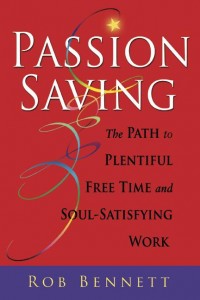
    • Rob’s Book
    • Don’t Sue Me!
  • Blog
  • Passion Saving
    • 20 Dangerous Money Myths — They Think We’re Stupid!
    • 10 Unconventional Money Saving Tips
    • Why Your Money or Your Life Rocked the World
    • This Book Saves Marriages — The Complete Tightwad Gazette
    • How to Start Saving Money
  • Valuation-Informed Indexing
    • Why Buy-and-Hold Investing Can Never Work
    • About Valuation-Informed Indexing
    • The Stock-Return Predictor
    • The Retirement Risk Evaluator
    • The Investor’s Scenario Surfer
    • The Investment Strategy Tester
    • The Returns Sequence Reality Checker
    • Nine Valuation-Informed-Indexing Portfolio Allocation Strategies
  • The Buy-and-Hold Crisis
    • Academic Researcher Silenced by Threats to Get Him Fired From His Job After Showing Dangers of Buy-and-Hold Investing Strategies
    • Academic Researcher Silenced By Threats to Get Him Fired From His Job After Showing Dangers of Buy-and-Hold Investing Strategies — Teaser Version
    • Corruption in the Investing Advice Field — The Wade Pfau Story
    • The Bennett/Pfau Research Showing Middle-Class Investors How to Reduce the Risk of Stock Investing by 70 Percent
    • Buy-and-Hold Caused the Economic Crisis
    • The True Cause of the Current Financial Crisis — Questions and Answers
    • Investing Discussion Boards Ban Honest Posting on Valuations
    • Wall Street Journal Calls Buy-and-Hold a “Myth,” Endorses Valuation-Informed Indexing

“I Believe That the New Internet Communications Medium Has the Potential to Change the World in a Very Positive Way. But It Certainly Has Not Yet Lived Up to its Potential. I Pray That as a People We Will Figure Out How to Make More Effective Use of It.”

December 17, 2018 by Rob

Set forth below is the text of an e-mail that I sent on November 14, 2018, to Fred Bauer:

Fred:

My name is Rob Bennett. I read your article at National Review titled Social Media Have Been Captured by Elitists, Demagogues and Mobs. The topic is dear to my heart. I believe that the new internet communications medium has the potential to change the world in a very positive way. But it certainly has not yet lived up to its potential. I pray that as a people we will figure out how to make more effective use of it.
 >
I want to share with you the story that I have been working on for 16 years. This story is very much the product of the new communications medium. It shows both the very best of it and the very worst of it. It’s an amazing story.
 >
My best and warmest wishes to you.
 >
Rob


Filed Under: Rob E-Mails Seeking Help

“The Topic Is a Bit Far Afield From the Sorts of Things You Usually Write. But It Is My View That This Issue Affects Everyone Alive Today and Should Be of Interest to People of All Political Persuasions. I Know That That Sounds Biased (This Is My Baby) But I Really Do Believe It.”

December 14, 2018 by Rob

Set forth below is the text of an e-mail that I sent to Pema Levy, a reporter at MotherJones.com who wrote an article titled Rachel Mitchell’s Former Colleague Slams Her Kavanaugh Memo As “Absolutely Disengenious.”

Pema:

My name is Rob Bennett. I happened to come across an article of yours (“Rachell Mitchell’s Former Colleague Slams Her Kavenuagh Memo as “Absolutely Disengenious”). I read the article because it addresses the point from the Kavenaugh hearings that I found most compelling — that Ford said at one time that the attacks happened when she was in her late teens, which is a lot different from age 15 and which would have put her in college at the time. I cannot say that I am entirely convinced by your take. I agree that someone might not possess good recall of the date or perhaps even the year of an attack years later. But it seems to me that the difference between being 15 and being 18 when attacked sexually is so big that it would be remembered with some clarity. However, I was glad to see that someone made the case for the other side as it always helps to hear takes from both sides to work things out in one’s mind. Thanks for taking up that issue.
 >
I am a journalist too and I wanted to share with you an article that I have written called “Buy-and-Hold Is Dangerous.” The topic is a bit far afield from the sorts of things you usually write. But it is my view that this issue affects everyone alive today and should be of interest to people of all political persuasions. I know that that sounds biased (this is my baby) but I really do believe it. Anyway, I fully understand if you choose not to add one more (long!) item to your reading list. But if by some chance it pulls you in, that would be super groovy.
 >
My best wishes to you. Keep up the good fight!
 >
Rob

Filed Under: Rob E-Mails Seeking Help

“Bull Markets Are Liars Markets. The Honest Thing to Do Would Be to Price Stocks at Their Proper Value. But As a Society We Have Elected to Price Them at Two Times Fair Value. Because There Is a Temporary Benefit to Be Had by Doing So. We All Get to Pretend That We Are Closer to Retirement Than We Would Be If We Priced Stocks Properly. So We Tell Ourselves a Lie That Makes Us Happy for a Time.”

December 13, 2018 by Rob

Set forth below is the text of a comment that I recently posted to the discussion thread for another blog entry at this site:

In short, they are all liars and onlyRob Bennett is the one person in this world that is telling the truth. Got it.

It certainly is true that there have been a lot of lies that have been told on the Buy-and-Hold side. And it certainly is true that I have put a lot of effort into the project of telling the truth re these matters. I believe that a failed retirement is a serious life setback. And I have formed friendships with a lot of the people in our communities. So I do feel an obligation to be honest with them re these matters. I haven’t lived up to that 100 percent. From May 1999 through May 2002, I didn’t point out the error in Greaney’s study. I wasn’t dishonest in a direct way. But I wouldn’t call that completely honest behavior. I held back on something that I knew people needed to know about. I don’t say that I am some perfect person. But I definitely say that I have made a major effort to be honest re these matters under very difficult circumstances.

And I think that in fairness we should note that a lot of the “liars” have made efforts from time to time get the truth out. I mentioned above that Bernstein pointed out that the Buy-and-Hold studies were off by two full percentage points at the top of the bubble. I think it would be fair to say that that was his conscience talking. He would LIKE to be more honest. And Pfau said that the Buy-and-Hold retirement studies were “dangerous.” Again, that was his conscience talking. Even today, after he was threatened and flipped, we see Pfau trying to be honest. He was asked at his Reddit Ask Me Anything session whether he thought that a 4 percent withdrawal was safe for a retirement starting today. He said “no.” He didn’t go into detail. He didn’t say that he thought that the studies that get the numbers wildly wrong should be corrected. He didn’t argue that we should open every discussion board and blog on the internet to honest posting, as I often do. So he wasn’t being entirely honest. But he certainly wasn’t being entirely dishonest either. I think it would be fair to say that this is a case where we have to take the good with the bad.

How much honesty do you think we would see in other fields of human endeavors if we made the penalty for being honest as high as we make it in the investment advice field? Do you think that the tobacco companies ever would have come up with the idea on their own to put cancer warnings on their packages if they hadn’t been required to by people outside their industry that demanded it? I don’t. I think that, if we had left it entirely to the industry to police itself, the tobacco industry would still be running advertisements telling people that one of the benefits of smoking is that it leads to good health — it relaxes you, you know? All people that work in a field want to make money by doing that work. That’s just a reality of human life. Sometimes, we need to have an outsider put some pressure on us to do the right thing. I bet that a lot of people who work in the tobacco field are happy that they are required by law to warn people buying their product that it may give them cancer. Most people want to do the right thing. But when there are huge financial rewards for doing the wrong thing, most of us are capable of being compromised. We need to work as a society to create conditions where people at least feel comfortable being somewhat honest re the most important stuff despite the pressures to turn a quick buck that otherwise might cause them not to live up to the standards that they would prefer to live up to.

I think that people in this field are like people in most other fields. They would LIKE to be honest. But this is a money field. And, where there is money involved, there are going to be pressures to be dishonest. That’s just the way it is. We have published rules at every site protecting those of us who want to do honest work from the sorts of individuals who have posted in “defense” of Mel Lindauer and John Greaney, do we not? That’s an indication that we would like to see honesty. We all had to check the “I Agree” button re those rules, right? So we all at one time expressed a desire to permit honesty. Even Lindauer and Greaney at one time expressed that desire. We have laws making financial fraud a felony. Shiller was able to get his book published. Shiller was awarded a Nobel prize. I have had thousands of my fellow community members express a desire that I and all others be permitted to post honestly re these matters. There are lots and lots and lots of indicators that as a society we would like to see more honesty in evidence in discussions of safe withdrawal rates and scores of other critically important investment-related topics.

When you make the price of honesty high enough, you get less of it, Again, that’s just a reality. Wade should not have been placed in circumstances in which he would have to give up his livelihood as his price for being honest. Lindauer and Greaney and those who posted in “defense” of them should have been removed from our communities when they first went off the rails. And of course that should have been done for the benefit of Lindauer and Greaney as well as for the benefit of all the rest of us. If we had banned Lindauer and Greaney, they wouldn’t be looking ahead to prison terms today. Was it not an act of dishonesty for the site administrators to fail to remove them when they first were asked to do so? It sure seems to me that it was. They chose not to act honestly because there were a few dollars to be made by letting these popular posters continue to engage in their acts of intimidation. That certainly wasn’t honest. But the fact that we have rules at every board prohibiting their behavior shows that we at least as a people DESIRE honesty.

Bull markets are liar’s markets, you know? That’s what it all comes down to. That’s what Shiller really showed with his Nobel-prize-winning research. Stocks are today priced at two times their fair value. Is it not a lie to price stocks at two times their fair value? It sure seems so to me. The honest thing to do would be to price stocks at their proper value. Buy as a society we have elected to price them at two times fair value. Because there is a temporary benefit to be had by doing so. We all get to pretend that we are closer to retirement than we would be if we priced stocks properly. So we tell ourselves a lie that makes us happy for a time. That’s the entire story here.

If you want to look at the dark side, you could say that we are bigger liars than any group of investors who ever came before us because we have kept prices higher longer than than any earlier group of investors. We are the biggest liars that ever walked Planet Earth!

That’s one way of looking at it. Another way of looking at it is that we are the people (through Shiller) who discovered The Big Lie of stock investing, that whatever price we assign to stocks is the right price merely because we assigned it and we are a perfectly rational people incapable of telling lies to ourselves. We are the people who awarded Shiller a Nobel prize, are we not? So maybe we are not the worst liars who ever lived, we are the people who celebrated a man for exposing The Big Lie of stock investing and for helping us all to protect ourselves from its negative effects. Both things are true, you know? Humans are liars and humans often engage in efforts to stop lying. We have both pro-lying and anti-lying instincts within us. There has never been a group of humans who told no lies and there has never been a group of humans who did not make any efforts to restrain lies.

The claim that the safe withdrawal rate is always 4 percent is a lie, Anonymous. I am sure of that much. If you want to say that at one time it was more a mistake than a lie, I am fine with that. That’s what I think. But it is more than a mistake today. People who are making honest mistakes do not advance death threats and demands for unjustified board bannings and thousands of acts of defamation and threats to get academic researchers fired from their jobs. I think that Greaney knew on some level of consciousness that there were problems with his study before I even advanced my famous post of the morning of May 13, 2002. That’s why he was so defensive. That’s why he immediately went into freak-out mode. And that’s why a lot of his friends did the same. And that’s why a lot of people who didn’t even think of themselves as friends of Greaney but merely as people who believed that Buy-and-Hold is a good strategy did the same. Lots of people sensed the lie at the root of all this before it was even exposed.

The good news is that as a society we are on our way to exposing the lie. I wish that the process had been completed a lot more quickly. But I guess that it takes whatever time it takes. After the next crash, we are all going to be feeling the pain brought on by our participation in this Big Lie in a very deep and intense way. Are we going to decide to give up the lie at that time? I think we are. And I will be happy to do whatever I can to help us come to terms with what we have done to ourselves by buying into this horrible Get Rich Quick lie that has over the years caused so much human misery. When we see lies told on our boards and blogs, we are seeing why stock prices are so high today. Do you get that? I am trying to tell the truth about stock investing and a lot of people are telling lies about me because they don’t want the truth about stock investing being told. They want those high prices to remain in place! They like thinking that they are closer to retirement than they really are!

It’s a circle. Tell the truth about safe withdrawal rates and people can plan their retirements more effectively. But do people even want that? If people really wanted that, they never would have priced stocks at two times fair value in the first place! People LIKE lies about stock investing, just as people once liked being told lies about how smoking is the key to good health because it relaxes you. A lot of lies survive for a long time because people like them. That’s the story here.

The smoking lie has been reined in a good bit over recent decades. I think that’s because of the research that was done showing that smoking causes cancer. The industry tried to stop the story of that research being told but they ultimately failed because there was just too much good to be done for too many people by the truth getting out. I think that’s what we are going to see in the investing advice field. The lie that the stock price is always right has survived for a long time. Shiller called it “one of the most remarkable errors in the history of economics.” It think it would be fair to refer to it as one of the most remarkable LIES in the history of economics. It’s a lie that we like to tell ourselves because it satisfies the Get Rich Quick urge that resides within us all. We believe this stuff because we like to believe this stuff. We are weak and imperfect humans.

But humans are not only weakness and imperfection. We are capable of engaging in research projects that expose the lies that we tell ourselves. We now have 37 years of research exposing the lie at the core of the Buy-and-Hold project. And I think that, when we see in flesh-and-blood terms what the Buy-and-Hold Lie has done to us all, we are going to begin taking that 37 years of peer-reviewed research seriously at all of our boards and blogs. We are as a society in the process of taking down The Great Buy-and-Hold Lie and we are today very, very close. We are one stock crash away, in my assessment.

I could be wrong. I would be lying to you if I told you otherwise, But that’s what all of the evidence that has appeared before me over the past 16 years tell me. The lie at the core of the Buy-and-Hold project (the lie that investors are purely rational and always price stocks properly) is well on its way to being exposed. But it survives today. And so everyone who works in this field feels pressure to pretend that he or she believes in it, at least to a small degree. Show no respect for The Big Lie and you threaten all of the powerful and wealthy and well-connected people who make a good living telling it to millions.

That’s my take, Anonymous All Get Rich Quick thinking is a lie. The Buy-and-Hold Lie is hurting us terribly. We are in the process of exposing it but we are not quite there yet. Until we get there, those who work in this field feel pressured to tell lies that they would prefer not to tell. Once they see The Big Lie is going down, things will change quickly. That will probably be in the days following the next price crash, when it will no longer be 37 years of peer-reviewed research telling us that Buy-and-Hold is a Big Lie but flesh-and-blood realities being reported in the newspaper every morning. Even Bogle will not be able to live with the results of The Big Lie when he sees them with his own eyes. And, when Bogle flips, everybody flips.

Not this boy, you know? I was once a Buy-and-Holder. I once told myself lies (we all do that, everyday) and so I didn’t know what I know today. I know today that I don’t want to be part of it. I am grateful for all the good that the Buy-and-Holders have done and I love them as people, But I cannot tell lies to my friends about the numbers that they are using to plan their retirements. That’s not me.

I believe that there will come a say when you will declare that it is not you either. But we will just have to wait to see how it all plays out to know for sure.

I naturally wish you all the best that this life has to offer a person, in any event.

Liar Rob (I’d Be Telling Yet Another Lie If I Said Otherwise, No?)

Filed Under: Investing Basics

“All of the People Who You Refer to Would LOVE to Give Their Honest Take on Every Question. Read Your Own Comments at This Blog If You Want to Know Why They Don’t Do It Today. You Point Out Over and Over That I Can Not Make a Living in This Field Because I Posted Honestly re the Safe Withdrawal Rate Issue. That’s Why Other People Don’t Do the Same. Stop Punishing Honest Work and You Will Get More of It.”

December 12, 2018 by Rob

Set forth below is the text of a comment that I recently posted to the discussion thread for another blog entry at this site:

We are all to believe that MMM, Wade Pfau, Jack Bogle, William Bernstein, John Greaney, Michael Kitces and Scott Burns are all scared to tell the whole story. They are all part of a mass cover up. Only Rob Bennett has been the one to tell the whole truth.

All of the evidence is available to you, Anonymous.

Bill Bernstein said in a book published in 2002 that the 4 percent number was off by 2 percentage points when stocks were priced at their highs. But he didn’t say that the studies that said that the safe withdrawal rate is always 4 percent needed to be corrected. Huh?

Wade Pfau said that the Buy-and-Hold retirement studies are “dangerous.” But he hasn’t insisted that they be corrected either. Huh?

Jack Bogle endorsed Valuation-Informed Indexing in one interview. He said: “Big moves out of stocks should not be done at all. But strategic asset allocation can be done at very rare times, maybe six times in an investor’s lifetime, three times when the market is stupidly high and three times when stupidly low.” That’s what I say. But he only said it one time. Most of the time he says that timing doesn’t work and fails to distinguish short-term timing from long-term timing. Huh?

Greaney said that people should not overstate the safe withdrawal rate, that they should not give wrong numbers. But when he learned that the numbers in his own study are wildly off the mark, he didn’t correct them. Huh?

Kitces said that low valuations can bring the safe withdrawal rate up higher than 4 percent but that high valuations do not bring it down lower than 4 percent. Huh?

Burns wrote about my work on safe withdrawal rates in his column but failed to name me. He referred to those of us who believe that the safe withdrawal rate changes when valuations change as a “New School” but then criticized me for using that term. Huh?

Lots of people have told different bits of the truth. Much of what I have done is just to report what other people have discovered. The difference is that those other people flip back and forth from positions that make sense today to positions that no longer make sense now that Shiller has published his “revolutionary” (his word) research findings. I try to remain consistent. I don’t flip back and forth. That makes people who do flip back and forth look bad. So I am disappeared.

Shiller’s 1981 research findings did not bring on a small change in our understanding of how stock investing works. He discredited the foundation stone on which the entire Buy-and-Hold Model was built. So he changed everything. As a society we have not yet come to terms with what he did. We need to come to terms with it. We have to stop pretending that we can duck the hundreds of questions that his research brought to the table. We have to talk about where our knowledge of how stock investing works stands today. We need to engage in serious and honest and frank interactions re hundreds of questions that we once thought were settled but no longer are. This stuff is important. We need to get it right.

I don’t know it all. I don’t say that I do. My stuff is just the product of a person who believes that Shiller’s research is legitimate research and who explores every question that comes up with that belief in mind. I need to hear feedback from all the people you mention and from lots of other people so that I can do better work. And all those others need the same. We all need to stop pretending that we know it all and get about the business of trying to learn as much as we can as quickly as we can.

All of the people who you refer to would LOVE to give their honest take on every question. Read your own comments at this blog if you want to know why they don’t do it today. You point out over and over and over again that I can not make a living in this field because I posted honestly re the safe withdrawal rate issue. That’s why other people don’t do the same. Other people want to be able to make a living. Stop punishing honest work and you will get more of it. There’s no mystery re that particular aspect of the question. Stop punishing people who are trying to help you and more people will try to help you.

The difference between Buy-and-Hold and Valuation-Informed Indexing is that Fama says that stock price changes are caused by economic developments and Shiller says that they are caused by investor emotion. That makes all the difference in the world. Stock prices went up by 126 percent from 1996 through 1999. If Fama was right, that huge jump was amazingly good news. If it was economic developments that caused that huge price jump, our economy must have been going gangbusters at that time and that is obviously a good thing. If Shiller is right that only a small portion of those gains came from economic growth and the vast majority just came from a temporary emotional flight of fancy, then we hurt ourselves very seriously in those years. We told people that those gains were real and they made plans for the future based on their belief that that was so when it was not. People cannot engage in effective financial planning if they have no idea how much they have in savings.

Shiller changed the world. And the world has not yet caught up. That’s the story here. I was still a Buy-and-Holder on the morning of May 13, 2002. All that I was concerned about at that time was the safe withdrawal rate. But when I saw the insanely emotional reaction to my safe withdrawal rate post, I knew that Shiller was right. So I stopped writing about Buy-and-Hold and from that point forward I wrote only things rooted in a belief that valuations affect long-term returns. Since I have been doing that for 16 years now, I have explored things that no one else had explored. It’s not that I am smarter. It’s that I have been doing it longer.

We did not know everything that there is to know about how stock investing works in 1981. Part of the scientific process is learning new things and then correcting your old understandings as new information comes in. That learning process was cut off. I think it is because this is so important an issue that the people who unintentionally got things wrong couldn’t bear to acknowledge it even to themselves. The conditions were perfect for cognitive dissonance. But they are aware on some level of consciousness that Shiller’s work is saying something important and new and so they have become insanely defensive about these matters. So the learning process that should have been going on for 37 years has been proceeding very slowly.

We all want the same things, Anonymous. We all want to know the truth about how stock investing works.

We know how to handle things. We need to handle things in the investing advice realm in the same manner as we handle things in every other field of human endeavor. We need to let people say what they believe and not punish them if they say something new. New can be good. We should be skeptical of new ideas to be sure. Skepticism is good. But we should not go to the point of threatening to kill people just because they advance new ideas that are rooted in peer-reviewed research that was awarded a Nobel prize. Those ideas have enough behind them that we should permit discussion of them.

As the new ideas are discussed, they will come to seem less strange. We will over time come to accept the new paradigm. Some of the new ideas will probably be rejected. That’s of course fine. But some of them will also probably be accepted. That’s also of course fine. We will only be able to separate the good stuff from the bad stuff once we permit honest posting by every single person willing to contribute in a positive way to our discussions, Buy-and-Holders and Valuation-Informed Indexers alike.

That’s my sincere take, in any event.

My best wishes.

Whole Truth (I Hope!) Rob

Filed Under: Lindauer/Greaney Goons

“Greaney’s Study Was a CONSERVATIVE Study in the Eyes of Most Stock Investors of the Time. He Was Not Telling People That the Safe Withdrawal Rate Was Higher Than Other People Were Saying, He Was Telling People That It Was LOWER.”

December 11, 2018 by Rob

Set forth below is the text of a comment that I recently posted to the discussion thread for another blog entry at this site:

Hey Rob, I saw a pretty good segment on PBS about early retirement. Check it out!

https://www.youtube.com/watch?v=RyF40JydVNU&feature=youtu.be

I’m not sure what your motive is in putting the link here. The Retire Early movement is of course dear to my heart. Seeing this stuff discussed in mainstream places (I saw articles on Mr. Money Mustache in the New York Times and in the New Yorker not too long ago) brings to mind those exciting days at the Motley Fool board where there were fewer people who knew about this stuff. It’s very exciting stuff. You certainly won’t hear different from me.

We need to be honest about it. You can’t get away from that, Sensible. There’s no way. If you are not honest, you are not helping people, you are hurting them. If you are dishonest, you will ultimately make the entire Retire Early movement look bad. The whole thing falls apart if it is rooted in dishonesty.

I was kinda, sorta dishonest for a long time — three years. I loved helping people on the saving side and people loved me in turn because all of this Retire Early stuff is very exciting and I was helping them with that. I never talked about investing in those days. Greaney would push his safe withdrawal rate study every day and people loved it and I would keep my mouth shut about the errors that I knew were in it. I was a snake, no? That’s pretty darn low behavior. I am making friends with these people and encouraging them to hand in resignations from high-paying jobs long before they were in circumstances that would permit them to do so safely and I didn’t say anything. Huh? What the f?

I had to rationalize my behavior, of course. I wouldn’t have been able to live with myself if I didn’t do that. That rationalization that I came up with was a pretty darn good one. Before Greaney’s study came along, lots of people were using the 7 percent withdrawal rate that was recommended by Peter Lynch. Greaney’s study was a CONSERVATIVE study in the eyes of most stock investors of the time. He was not telling people that the safe withdrawal rate was higher than other people were saying, he was telling people that it was LOWER. That’s a fact. I don’t think that Greaney would deny that one. The true safe withdrawal rate was somewhere between 2 percent and 3 percent during most of this time-period. So the number in Greaney’s study was a lot closer to reality than most other information sources available to people at the time. I told myself that the net effect of the study was a positive. I persuaded myself that it was okay to keep my mouth shut.

Was I right? Today, I don’t think so. It is a betrayal of the Retire Early movement to know that the numbers that people are using to plan their retirements are wrong and to not say anything about it. Mr. Money Mustache is a leader of the movement today. I had dinner with him at one of the Financial Blogger Conferences and we talked about all this stuff. He doesn’t disagree with me re safe withdrawal rates. His response to all that I told him was to say something along the lines of “no good deed goes unpunished” (that’s a paraphrase, I don’t have certain recall of the precise words he used).

If Mr. Money Mustache thought that he could get away with telling people the truth about safe withdrawal rates, he would do it. He’s like Wade Pfau and Bill Bernstein and Scott Burns and Michael Kitces and Jack Bogle and lots and lots and lots of others. He knows that as a general rule it is better to be honest when talking about financial matters. But he also knows that telling the truth about what the last 37 years of peer-reviewed research teaches us about stock investing is very, very, very dicey stuff at a time when prices are where they are today. So he keeps his mouth shut for now.

How about after the next crash? There are going to be lots of early retirees facing very dire financial futures in the days after the next price crash. Will that mean that the idea of early retirement was always fantasy stuff, as its critics have always maintained? It won’t mean that, in my view. It will just mean that we should have permitted honest posting at all of our boards. Turning our boards into corrupt enterprises was a mistake. If you are going to permit discussion of safe withdrawal rates, you should permit HONEST discussion of safe withdrawal rates. Otherwise, the entire thing becomes a scam.

The Retire Early movement is a scam today. Not by intention. But I am 100 percent confident that, after large numners of the people who have retired early in recent years suffer failed retirements because of the lies that they were told re safe withdrawal rates, there will be many people saying that the entire movement was a scam from the first day. And most people who hear about it and don’t bother to study the matter in depth will be inclined to agree with them. If it weren’t a scam, you wouldn’t have seen the death threats and the threats of career destruction and all the rest.

I believe in the Retire Early movement. I would like to see everyone alive exposed to the ideas that drive the movement. Financial freedom is a wonderful thing. It is great to live at a time when the prospect of financial freedom is available to most middle-class people. It’s an amazing movement and it thrills me that more people are discovering it.

But I very much think that it has to be rooted in honesty. I think that we are hurting people in very, very, very serious ways with the dishonest, fraudulent side of the project. I don’t think there’s a place for that. If we were all thinking clearly about these matters, I think we would have universal agreement re that one. I think that one of the reasons why we see such violent reactions from the Buy-and-Holders when we try to talk about the last 37 years of peer-reviewed research is that they appreciate themselves how important is it to be honest when calculating the numbers used to plan a retirement.

I went crazy on the day when I discovered Greaney’s web site. It was one of the best days of my life. i had been hoping to find such a resource for a long time. One of the things that excited me about it was that he put a lot of focus on the calculation of the safe withdrawal rate. I think he did that because he knew how important it was to be rational rather than emotional when planning an early retirement. Greaney and I have a lot more common ground than most people (including Greaney himself, to be sure) realize.

Those are my thoughts, Sensible. I couldn’t love the movement more. If I were to agree to post dishonestly re safe withdrawal rates, that would ruin it for me. I would feel that I was destroying people’s lives rather than helping them. That changes it, you know? That changes things in a fundamental way. I wish everybody in the movement the best of luck. I hope they make it through. But for me to put up posts, I would need to be permitted to do so honestly. I think that has to be a bottom-line condition. Again, I think that every single person in the movement would agree with that if he or she were capable of thinking clearly re these matters. The Get Rich Quick impulse messes with our brains. The Get Rich Quick impulse is the enemy of Retire Early dreams, in my assessment.

My best wishes to you, in any event.

Retire Early Advocate (From Way, Way Back!) Rob

I’ll add one more thought. I don’t recall Greaney criticizing Lynch for getting the numbers wrong. It may be that he did so, I just don’t recall it. But I do remember him criticizing community members who tried to argue for withdrawal rates a lot higher than 4 percent. I remember that happening on several occasions. So I think it would be fair to say that there is at least a piece of Greaney’s brain that accepts the idea that prudence is called for when putting together a Retire Early plan. He warned people of the dangers when OTHERS got the numbers wrong, he just wasn’t able to turn that critical eye to his own study. His pride of authorship blinded him to the human misery he was causing by relentlessly pushing numbers that are wildly off the mark according to the last 37 years of peer-reviewed research in this field.

So Greaney is not all bad. He is a mix of good and bad, like most of us, His focus on safe withdrawal rates was right on and his methodology was a big improvement over the one used by Peter Lynch just a few years before. But his Campaign of Terror against the thousands of us who expressed a desire to post honestly re these matters was truly bad stuff. I don’t think that anyone has ever done more long-term harm to the Retire Early movement than John Greaney. We all played a role in what happened because we all tolerated his behavior to some degree or another (that includes me). But I think it would be fair to say that there is no human being who ever walked Planet Earth who caused even a tiny fraction of the number of failed retirements as did our friend John Greaney. And I think that that’s a very, very, very sad reality that we all need to come to terms with, I am ashamed of the role that I played in making that reality a reality. If I had it to do over, I would have begun posting honestly on the first day.

Brings back memories!

Ashamed (But Committed to Doing Better in the Future) Rob


Filed Under: SWRs

“The Errors in the Buy-and-Hold Model Are Very, Very, Very Simple and Obvious Ones. We Suffer From Cognitive Dissonance re These Errors Because the Errors Are So Simple and Obvious That We Assume That We Must Be Wrong to Even Think That They Are Errors; If They Were, Surely These Hot Shot Experts Would Have Discovered Them a Long Time Ago.”

December 10, 2018 by Rob

Set forth below is the text of a comment that I recently posted to the discussion thread for another blog entry at this site:

“I put up a post pointing out the error in Greanry’s retirement study on the morning of May 13, 2002. The study has not been corrected as of today. Today’s date is November 1, 2018.

You say that my points have been addressed. But the study has not been corrected. Does that reality not tell a tale? People used that study to plan retirements.”

Noted expert, Wade Pfau, has already explained how you were wrong. To this day, you have not apologized. This is long over due.

I deleted this one when it appeared last night on grounds that it is a time-waster and an insult to the intelligence of my readers, However, after sleeping on it, I have had second thoughts and restored it on grounds that it gives me an opportunity to fit in the rant posted below.

The reference here is to something that Wade said when he was threatened by you Goons and flipped to the dark side so that his career would not be destroyed. Wade told me on numerous occasions (the texts of his e-mail appear at this blog under the “Wade Pfau” category) that he agrees with me on the subject of safe withdrawal rates. He has referred to the (uncorrected to this day) Buy-and-Hold retirement studies as “dangerous.” That says it.

When Wade was trying to come up with some explanation for his flip, I believe that he had Greaney help him with the wording because the explanation that he put forward was too lame for his own brain to have come up with. It was something that Greaney has said on earlier occasions. So I am pretty darn sure that that is where it came from.

The explanation offered was that Wade went back to the thread where my famous post from the morning of May 13, 2002, appeared and saw that Greaney had a post on it in which he said something to the effect of: “If you don’t think that 4 percent is safe, just take a lower withdrawal rate.” Wade said that those words solved the entire problem. That is of course not so.

The point of friction is: Are people who believe that the last 37 years of peer-reviewed research in this field is legitimate research permitted to post their honest views at every discussion board and blog on the internet? I say that they are. Greaney says that they are not (they may believe that the Buy-and-Hold retirement studies are in error but they may not let their fellow community members know what they believe and why). At the time he was flipping, Wade pretended to believe what Greaney believes.

The research showing that the Buy-and-Hold retirement studies are in error (that it is not possible to calculate the safe withdrawal rate accurately without taking the effect of valuations into consideration since valuations affect long-term returns) was published in 1981. About 10 percent of the population today appreciates the problems with the Buy-and-Hold strategy. All of us who believe that the last 37 years of peer-reviewed research is in error should want to get that percentage up. I certainly do. It doesn’t help get that percentage up for me to use a different withdrawal rate than the one recommended by Greaney in my own retirement plan and to fail to tell my fellow community members that I am doing that and why I am doing that.

The question that people should be asking themselves re this entire matter is — Why the heck did it take 21 years for someone to see that it is not possible to calculate the safe withdrawal rate without taking valuations into consideration? It’s OBVIOUSLY not possible to do that. In a sensible world, my post of May 13, 2002, would have been greeted with a yawn, not a nuclear explosion. What’s that all about?

We are all under a spell, I wrote that in a post from yesterday afternoon. We are all under a spell. The name given to that spell in the psychology literature is “cognitive dissonance.” We suffer from cognitive dissonance because we don’t question the Buy-and-Hold stuff, we don’t point out that the emperor is wearing no clothes, we don’t take note of the parts that make no sense and ask the “experts” pushing this strategy on us to please explain. The errors in the Buy-and-Hold Model are very, very, very simple and obvious ones. We suffer from cognitive dissonance re these errors because the errors are so simple and obvious that we assume that we must be wrong to even think that they are errors; if they were, surely these hot shot experts would have discovered them a long time ago.

The errors are real. It is not possible for any market to function without the exercise of price discipline and there has never been any reason to believe that the stock market is different than every other market in this regard. It is ESSENTIAL that investors exercise price discipline when buying stocks. Shiller has described the intellectual leap from the finding that short-term price changes are unpredictable to the Buy-and-Hold belief that the market sets prices properly as “one of the most remarkable errors in the history of economics.” That’s it. That’s the story of our 16-year saga. The entire Buy-and-Hold thing has just been one long mistake going back to the first day. Our problem is that the mistake has been covered up for so long that the Buy-and-Holders cannot today bear to acknowledge that the whole thing has been a big mistake and so they become violently abusive when someone points out the mistake.

I cannot solve that problem by taking note of the error in Greaney’s study, using a different withdrawal rate in my own planning and then then not saying anything to my fellow community members taken in by Greaney’s false claims. If I want to help my fellow community members (which is what we all should be trying to do when we post on a discussion board), I need to point out the freakin’ mistake to them. That’s the thing that Greaney doesn’t like. That’s the thing that he wants to block. That’s the thing that causes him to advance death threats and demands for unjustified board bannings and thousands of acts of defamation and threats to get academic researchers fired from their jobs. That’s the story here. Are we going to let the mistake destroy even more lives? Or are we going to speak up and incur Greaney’s wrath?

I say that we need to speak up. I want to see every investment discussion board and blog on the internet opened to honest posting on the last 37 years of peer-reviewed research in this field. I don’t want there to be a single exception. If we were to permit a single exception, that would hurt us all, So why do it? Why not just permit honest posting? Let the Buy-and-Holders say what they believe, let the Valuation-Informed Indexers say what they believe and let all the people listening in decide after hearing both sides how they are going to play it.

If people CHOOSE to use the Buy-and-Hold retirement studies after hearing both sides, that’s on them. I obviously think they would be making a mistake to do that. But it’s their money and so it’s their call. Perhaps I am the one who is wrong. I am not going to tell anyone else what to do with his or her money. But if people choose to follow the Buy-and-Hold numbers only because the Buy-and-Holders blocked their ability to hear about the errors in the Buy-and-Hold studies, that’s fraud. Boards that do not permit both sides to be heard are corrupt enterprises. People who block posting about Valuation-Informed Indexing can be held liable in civil lawsuits after they cause investors to suffer financial losses in the next price crash. In extreme cases, they could be prosecuted criminally for engaging in acts of financial fraud. Not this boy, you know? No way, no how.

That’s the rant. That’s the rant that I have been advancing for 16 years now. I love my Buy-and-Hold friends. I love my Wall Street Con Man friends. I even love my freakin’ Goon friends. But I don’t love failed retirements. I don’t love financial fraud. I don’t love civil lawsuits, I sure don’t love criminal prosecutions. So I speak up in OPPOSITION to that sort of stuff. Over and over and over and over and over.

I would be joined by every single person alive in the United States today if only Shiller’s Nobel-prize-winning research showing that valuations affect long-term returns had only been published last week. We’re all in the same boat. We all want to invest effectively. We all want to avoid failed retirements. The problem that we face is that 37-year cover-up. Those who participated in that cover-up are embarrassed about it and don’t want people to find out. So they engage in all sorts of crazy behavior to block Valuation-Informed Indexers from speaking honestly about what the last 37 years of peer-reviewed research in this field teaches us. And so far their efforts have “succeeded” in making life worse for each and every one of us, including themselves to be sure.

I say “no” to all that. I say that the same ethical standards that apply in every other field of human endeavor should apply in the investment advice field as well. I say that, if the only way that you can think of to “defend” Buy-and-Hold is to engage in criminally abusive behavior, you should be looking for a new investing strategy to defend. If you can defend Buy-and-Hold WITHOUT engaging in criminally abusive behavior, by all means have at it. Millions of good and smart people believe in Buy-and-Hold with their hearts and minds and souls. When they make their case in a civil and reasonable way, they help all of us to come to a better understanding of these matters. So that stuff is pure gold and we should all welcome it. But we should all adopt a zero tolerance policy towards the sorts of stuff that we have seen advanced by those posting in support of Mel Lindauer and John Greaney.

No death threats. Death threats have no place in investing discussions. No demands for unjustified board bannings. Unjustified board bannings have no place in investing discussions. No thousands of acts of defamation. Thousands of acts of defamation have no place in investing discussions. No threats to get academic researchers fired from their jobs, Threats to get academic researchers fired from their jobs have no place in investing discussions. My sincere take. No apologies whatsoever.

Rant completed (for now — but sure to be extended in coming days).

Best wishes, etc., etc.

Rob the Friendly Ranter

Filed Under: Investing Experts

“I Think It Would Be Fair to Say That We All Are Living Under a Sort of Spell. The Name Given to This Sort of Spell in the Psychology Literature Is “Cognitive Dissonance.”

December 7, 2018 by Rob

Set forth below is the text of a comment that I recently posted to the discussion thread for another blog entry at this site:

Do you see?

How often does a person who smokes three packs of cigarettes a day need to hear the message that smoking causes cancer? Until he freakin’ gets it. ”

This is advice you need to take. Every one of your points have been addressed hundreds of times and you choose to twist it around, lie about it or ignore it. Repeating your lines has not helped and continuing to do so, will similarly fail. HOW OFTEN DO YOU NEED TO HEAR THIS UNTIL YOU FINALLY GET IT.

I put up a post pointing out the error in Greanry’s retirement study on the morning of May 13, 2002. The study has not been corrected as of today. Today’s date is November 1, 2018.

You say that my points have been addressed. But the study has not been corrected. Does that reality not tell a tale? People used that study to plan retirements.

I think it would be fair to say that we all are living under a sort of spell. The name given to this sort of spell in the psychology literature is “cognitive dissonance.” If Greaney were thinking clearly, he would have corrected the study a long time ago. If Bogle were thinking clearly, he would have insisted that Greaney correct the study a long time ago. Getting the numbers wrong in a study that people use to plan their retirements is a big deal

I love Jack Bogle, I would like to be working with him. It pains me that some see us as being on “different sides.” I think it would be fair to say that Bogle himself feels this way given that he did not respond to my three e-mails to him. That shouldn’t be. And of course I love John Greaney too. I would like to be working with him too. It pains me that he sees us as being on “different sides.” And the same is true re hundreds of others.

You say that my points have been addressed. But the study has not been corrected. The last time I checked, people were still recommending use of it to plan retirements. The points have not been addressed. The actions that need to be taken have not been taken.

I suppose that you could say that a majority at the various boards has made a decision that there is no need to do anything about the studies. I think that would be fair to say. But those of us (and it is not just me, it is a minority but it is not just me) who believe that the study is in error have both a right and responsibility to point out the problems in it to people who will be inclined to make use of it to plan a retirement if we fail to do so. If those people elect to make use of the study despite what we say, that’s on them. But if we don’t at least make an effort to inform them so that they can make an intelligent choice, that’s on us.

How will this situation ever change if none of us insist on our right to post honestly? It’s been 37 years since Shiller published his “revolutionary” (his word) research. Are we going to wait to see how it feels to live through a Second Great Depression before we speak up? I can’t go for that. It’s too much human suffering. I couldn’t live with myself if I saw millions of retirement failures coming into play and did nothing to help. If you knew about the 911 attacks before they happened, would you feel comfortable saying “oh, it’s not my problem, too bad for all those people who will get killed.” I would like to think that, if I knew about the 911 attacks before they happened, I would have tried to do something to prevent the huge amount of human suffering before it took place. That’s how I feel about this other matter.

I know that you don’t want me to say anything. I get that much. I know that you have powerful people on your side. I get that too. And I know that the majority sides with you. But I feel that as a nation we have to come to terms with this problem. We have created a mess and we need to fix it. And there is no way to fix it other than for more of us to work up the courage to speak up.

You don’t get to decide for everyone. You get to decide for you, that’s all. If 10 percent of a community wants to hear about Shiller’s findings, that’s good enough for me. In time, I am confident that the 10 percent will become 20 percent and then in some more time 40 percent. That’s how our country works. Someone comes up with a new idea and then over time it grows and grows and grows. You are going against the fundamental beliefs of our country when you try to kill this idea in the crib. And I just don’t feel even a tiny bit comfortable going along with that given how much human suffering we are talking about here.

The advances have been amazing. Yes, you have had the power to stop them from helping as many people as they should be helping. But the advances have been flat-out amazing. I want to share those advances with millions of people. Each person gets to decide for himself or herself whether he will tap into the benefits of the new ideas. But if there are millions who decide that they want to do so, I want to be there for them. We have already seen thousands express an interest and that was under very difficult conditions. So I think it is entirely possible that we could bring it up to millions in time. We will have to see how it all plays out.

I believe that, when we get to the other side, you will thank me, Anonymous. Did you ever have that happen? You don’t want to see a particular movie and someone else does and you end up being dragged into it and then you love the darn thing. I think that is what will eventually happen here. You will come around in time. You’ll need to stop fighting it so hard for that to happen. But I believe it will happen eventually, If not prior to the crash, then afterwards.

Can you please say what you see as the downside to opening every site on the internet to honest posting re the last 37 years of peer-reviewed research? I don’t see any. I cannot even imagine any possibilities. How many times do you need to hear that to get that, you know?

I believe in letting all sides talk. I don’t believe in abusive stuff. But I believe in letting all sides who come to the table with non-abusive stuff to talk. You can say that people have rejected that idea in this particular case. But we still have published rules at all the sites that show respect for that idea. And we still have laws that respect that idea. That idea is who we are as a people. This other thing is a mistake that we have made in this particular field of human endeavor. And we need to be working together to overcome that mistake before it does us more harm.

That’s my sincere take, Anonymous. I have heard all of your responses and I have also heard the responses of the thousands who have said they love the idea of learning more about Valuation-Informed Indexing if only it could be done in a peaceful environment. I care about those people. I want to give those people what they want and I don’t think that you have a right under the published rules of the sites or under the laws of the United States to stand in the way, You can decide for you and then you need to let others decide for others.

That’s where I am coming from. I hope that helps a tiny bit.

Slow on the Uptake(When His Country’s Values Are in Question) Rob

Filed Under: From Buy/Hold to VII

“Thinking That It Will Go Away Is Like Thinking That Reminders of the Dangers of Smoking Are Going to Go Away or That Admonitions Against Cheating on Your Spouse Are Going to Go Away or That Recommendations Not to Drink and Drive Are Going to Go Away. These Are Basics of the Human Condition, As Is the Inclination That All Investors Feel Toward Buy-and-Hold/Get Rich Quick Investing Strategies.”

December 6, 2018 by Rob

Set forth below is the text of a comment that I recently posted to the discussion thread for another blog entry at this site:

I am not sure how you think you are providing new aspects. Everything you write, you have already repeated hundreds or thousands of times. People have already responded to your points long ago and over time have just grown tired of what you have to say. Look at how you continue to even repeat your nonsense of a post from 2002. That is SIXTEEN YEARS AGO.

Shiller published his research showing that valuations affect long-term returns in 2002. Every word that I have written over the past 16 years is just an expansion on those words. So are more words from me needed?

They are needed.

Take a look at Greaney’s site, Anonymous. He has not yet corrected the error in his retirement study that I pointed out on the morning of May 13, 2002. His death threats were not really a “response” to my post. They were an attempt at intimidation. The proper response would be to correct the darn study.

So, no, the message has not gotten through. So, yes, the point must be made again. And I of course am not just talking about Greaney. There are people who have authored similar studies. And there are people who have recommended Greaney’s study and similar studies. All of those people need to hear the message again and again. Until they get it. And respond appropriately.

Do you see?

How often does a person who smokes three packs of cigarettes a day need to hear the message that smoking causes cancer? Until he freakin’ gets it. It’s an important issue. It’s life or death. As is the matter of whether the market is efficient or valuations affect long-term returns. There will never come a day when we will have heard that message as often as we need to hear it. Say that a day came when there is 100 percent agreement that valuations affect long-term returns and that we must all practice long-term timing when buying stocks. Would the message no longer be needed? By no means! If we stopped repeating the message, we would just eventually fall back into our habit of following Get Rich Quick/Buy-and-Hold strategies. We all have that Get Rich Quick urge within us that has been making stock investing risky since the first market opened for business. We need to be ever vigilant lest it rise up again within us and destroy our retirement hopes once again as it has done so many times before. This powerful new understanding of how stock investing really works will never be old news.

Now —

If someone has been told that smoking causes cancer and has chosen to ignore the message, do I think that it would be a good idea to keep insisting that he listen to it? No. That’s obviously crazy. Similarly, I don’t see it as my job (or anyone else’s job) to convert all the Buy-and-Holders to Valuation-Informed Indexing. I see it as my job to invite them to follow a strategy that I view as far superior. But each person gets to decide which strategy he is going to follow. I am not going to pester someone who has rejected Valuation-Informed Indexing with repeated appeals that he reconsider. That would obviously be annoying and non-productive and inappropriate.

But we have to open every board and blog on the internet so that those who ARE interested in hearing the new message have a place to access it and ask questions about it and so on. That’s the key. Once all sites are open to honest posting re the last 37 years of peer-reviewed research, there’s no problem. Those who prefer Buy-and-Hold do their thing and those who prefer Valuation-Informed Indexing do their thing. That’s how we do it in this country re every subject other than stock investing and that’s how we need to do it re stock investing as well.

I think we do it different with stock investing because the new message comes as such a shock to our Buy-and-Hold friends. Most of us care a great deal about our life savings. The Buy-and-Holders are telling us that the full amount listed on our portfolio statement is real. The Valuation-Informed Indexers are saying that we need to divide that amount by two to know the true and lasting value of our portfolio when stocks are priced as they are today. That’s a darn alarming message to those who truly came to believe that Buy-and-Hold is the answer. It’s scary stuff. So a good number of our Buy-and-Hold friends have come to react in crazy ways.

We need to normalize our discussions. Had we all started talking about what Shiller showed back in 1981, when he showed it, my famous post from the morning of May 13, 2002, would not have come as a shock to anybody. What I was saying was so obvious. We know that valuations affect long-term returns. So we need to consider valuations when calculating the safe withdrawal rate. What a shocker!

But it was a shocker, wasn’t it? Why? Because we had not been talking about Shiller’s breakthrough research findings from 1981 through 2002. When I brought them up, the Buy-and-Holders among us went nuts. Shiller’s work was too strong for them to reject it. But they couldn’t imagine accepting that the safe withdrawal rate is not a constant but a variable. So we got this nutso stuff.

We need to move beyond the nutso stuff. When we move beyond it, I don’t think that everyone is going to become a Valuation-Informed Indexer. I think that lots of people will. But lots will remain Buy-and-Holders because that is what they will prefer, for whatever reason. And lots of others (probably the largest number) will choose some path between those two (that’s what lots of investors do today — after we open the internet to honest posting, they will still do that but in a better-informed way).

The idea that giving in to the Get Rich Quick impulse is a bad idea is going to be with us until the end of time. That’s the Valuation-Informed Indexing message. That’s Shiller’s breakthrough. That’s the whole story in a nutshell. We will never say it enough times because the Get Rich Quick urge is never going to go away and we are always going to need to be combating it. Thinking that it will go away is like thinking that reminders of the dangers of smoking are going to go away or that admonitions against cheating on your spouse are going to go away or that recommendations not to drink and drive are going to go away. These are basics of the human condition, as is the inclination that all investors feel toward Buy-and-Hold/Get Rich Quick investing strategies.

The difference is that every reasonable person acknowledges today that it is bad to drink and drive while millions of good and smart people still view Buy-and-Hold as the perfect strategy. So we experience clashes when some fellow comes along and points out that the Buy-and-Hold retirement studies lack adjustments for the valuation level that applies on the day the retirement begins. We need to figure out as a society how to live together in peace in a way that permits us all to have access to the important realities discovered by Shiller’s research while not upsetting our Buy-and-Hold friends unduly. That’s the project facing us today. That’s the thing we need to work through together to get this process moving forward and to a better place.

The basic message will be repeated until the end of time. Why? because those darn humans have a tendency to forget the basics. If you want them to learn how to invest effectively, you need to remind them of the basics over and over and over again. Shiller’s finding that valuations affect long-term returns is the most important basic of all. We obviously have as a society lost site of it in recent years. If we hadn’t, we never could have gone to the valuation levels that apply today. But even after valuations drop to fair-value levels, we are going to need to be reminded of that important reality regularly or we will just forget it and start going through that darn boom/bust cycle all over again.

Make sense?

Repetitive (and Proud of It!) Rob

Filed Under: From Buy/Hold to VII

“I Think That, If We Regularly Engaged in Interactions in Which We Disagreed in a Respectful Way, We Would Over Time Come to Kid Around With Each Other and Become Good Friends Despite Our Differences on the Substantive Questions. I Think That Would Be Just Great. It Would Make Me Very Happy to See Things Play Out That Way.”

December 5, 2018 by Rob

Set forth below is the text of a comment that I recently posted to the discussion thread for another blog entry at this site:

How about Mel Lindauer? Should he be featured?

He adds a lot to the discussion. So I would certainly be happy if we could all enjoy the positives that he brings to the table. But, as you know, he has not been willing to follow the published posting rules of the site. That’s a problem. That hurts us all. That has to be addressed. If that were addressed, then I would 100 percent support the idea of featuring Mel.

And you know what? My strong hunch is that Mel and I would become good friends over time. I don’t think that we would come to agree on all investing questions. But I think that, if we regularly engaged in interactions in which we disagreed in a respectful way, we would over time come to kid around with each other and become good friends despite our differences on the substantive questions. I think that would be just great. It would make me very happy to see things play out that way. I think it would be inspiring to all our fellow community members to see it play out that way. That’s how it should be, in my assessment.

Future Lindauer Pal Rob

Filed Under: Lindauer/Greaney Goons

“I Have Devoted Lots of Energies to Getting People Who Work in the Investing Realm Interested in This Story Without a Lot of Luck (the Attached Article Explains Why). So I Am Currently Sending the Article to People Who Might Not Be Obvious Candidates But Who At Least Might Be Less Poisoned By the Bias That Blocks the Obvious Candidates From Appreciating the Importance of the Story.”

December 4, 2018 by Rob

Set forth below is the text of the e-mail that I sent to Michael Flaherty when I sent him a copy of my article “Buy-and-Hold Is Dangerous”:

Michael:

My name is Rob Bennett. I read your article on “Fake News Turns 80” at the National Review site this morning. I knew about the War of the Worlds incident and even that it was hyped a bit but I was not aware that the motive for the hype was that newspapers felt threatened by the growing popularity of radio. Thanks for adding that information bit to my understanding of how the world around me operates.
 >
I have no reason to believe that you have a particular interest in the dangers of the Buy-and-Hold investment strategy, the news theme that has been the focus of my work efforts for the past 16 years. But “fake news” is a big part of the story and, since you have addressed that one from one angle, you never know. I have devoted lots of energies to getting people who work in the investing realm interested in this story without a lot of luck (the attached article explains why). So I am currently sending the article to people who might not be obvious candidates but who at least might be less poisoned by the bias that blocks the obvious candidates from appreciating the importance of the story.
 >
If it pulls you in, super. Please let me know if you have any questions or thoughts as to how I might proceed to get more people to pay attention. If not, I of course get it. We all have big piles of purportedly essential reading material on our nightstand.
 >
Please take good care.
 >
Rob

Filed Under: Rob E-Mails Seeking Help

« Previous Page
Next Page »

What’s Here

  • Bennett/Pfau Research (62)
  • Beyond Buy-and-Hold (117)
  • Bill Bengen & VII (8)
  • Bill Bernstein & VII (4)
  • Bill Schultheis & VII (2)
  • Brett Arends and VII (1)
  • Carl Richards & VII (8)
  • Daily Caller Articles (10)
  • Economics — New and Improved! (103)
  • Financial Highway Column (11)
  • From Buy/Hold to VII (394)
  • Guest Blog Entries (96)
  • Index Universe & VII (11)
  • Intimidation of VII Advocates (66)
  • Investing Basics (535)
  • Investing Experts (97)
  • Investing Strategy (56)
  • investing theory (23)
  • Investing: The New Rules (120)
  • Investor Psychology (95)
  • J.D. Roth & VII (17)
  • Joe Taxpayer & VII (14)
  • John Bogle & VII (97)
  • Larry Evans and VII (12)
  • Lindauer/Greaney Goons (475)
  • Michael Kitces & VII (43)
  • Mike Piper & VII (31)
  • Podcasts (200)
  • Reactions to Pfau Silencing (71)
  • Reality Checker (4)
  • Return Predictor (12)
  • Risk Evaluator (11)
  • Rob Arnott & VII (4)
  • Rob Bennett (306)
  • Rob E-Mails Seeking Help (67)
  • Rob's E-Mails to Researchers (1)
  • Robert Shiller & VII (105)
  • Roger Wohlner and VII (5)
  • Saving Strategies (23)
  • Scenario Surfer (3)
  • Scott Burns & VII (8)
  • Silencing of Wade Pfau (97)
  • Strategy Tester (5)
  • SWRs (89)
  • Todd Tresidder & VII (3)
  • Uncategorized (24)
  • Various Experts & VII (33)
  • VII Column (720)
  • Wall Street Corruption (363)
  • Warren Buffett & VII (5)

Rob on the Internet

  • Rob's Weekly Valuation-Informed Indexing Column at the Value Walk Site.

  • Rob's Weekly Beyond Buy-and-Hold Column at the Out of Your Rut Site

  • Rob's Articles at the Financial Highway Site

  • Rob's Articles at the Balance Junkie Site

  • Rob's Daily Caller Articles: (1) Can We Handle the Truth About Stock Investing?; (2) How We Invest Is a Political Question; (3) The Economic Crisis Is Trying to Tell Us Something (and We're Not Listening); (4) Facts Don't Matter; (5) Going Google Stupid; (6) How Much Transparency Can We Handle?; (7) Confessions of an Internet Troll; (8) Conservatives Fall Into a Trap by Blaming Obama for the Bad Economy; (9) Meet the New Media, Same as the Old Media; and (10) How Restoring Honor Will End the Economic Crisis

  • Humble Money Experts Are the Best Money Experts, (Rob's Article in the Integrative Advisor, the Journal of the Association for Integrative Financial and Life Planning)

  • Articles on the Return Predictor, the RIsk Evaluator, the Scenario Surfer and the Strategy Tester

  • The Myth of Buy-and-Hold and Seven Other Guest Blog Entries

  • The Good Side of Stocks' Lost Decade and Seven Other Guest Blog Entries

  • A Better and Safer Way to Invest in Stocks and Seven Other Guest Blog Entries

  • The Economic Crisis Is the Best Thing That Ever Happened to Us and Seven Other Guest Blog Entries

  • The Bankers Did Not Do This to Us! and Seven Other Guest Blog Entries

  • Stock Volatility Kills! and Seven Other Guest Blog Entries

  • The Risks of Buy-and-Hold and Seven Other Guest Blog Entries

  • The Future of Investing and Seven Other Guest Blog Entries

  • What the Stock Investing Experts Don't Want You to Know and Seven Other Guest Blog Entries

  • What's the Best Age at Which to Experience a Stock Crash? and Seven Other Guest Blog Entries

  • Guest Blog Entry Compares Our Effort to Open the Internet to Honest Posting on Stock Investing with the Civil Rights Struggle of the Early 1960s

  • Our Monster Thread (153 Comments!) on Whether Bill Bengen Should Correct His Retirement Study Now That He Acknowledges the Errors He Made In It

  • Google Search Results for the Term "Valuation-Informed Indexing"
  • Favorite RobCasts

    • Bogle and Valuations

    • When Stock Losses Are True Losses and When They Are Not

    • There Is No Free Lunch! Or Is There?

    • Risk Tolerance in the Real World

    • Cash Is a Strategic Asset Class

    • Nine Valuation-Informed-Indexing Portfolio Allocation Strategies

    • Why the Stock Market Does Not Set Prices Properly (Even Though Other Markets Do)

    • Only Valuations Matter -- Everything Else Is Priced In

    • Low Stock Prices Are Better Than High Stock Prices

    • 30 Investment Myths in 60 Minutes

    Links That Matter

    • Ten Bogus Investing Truths

    • Study by Associate Professor Wade Pfau Showing That Long-Term Timing Provides Higher Returns at Reduced Risk

    • Study by Associate Professor Wade Pfau Showing That Valuation-Informed Indexing Beat Buy-and-Hold in 102 of 110 Rolling 30-Year Time-Periods in the Historical Record

    • Wall Street Journal Article Pointing Out That the Idea That Long-Term Market Timing Does Not Work Is a "Myth" of Stock Investing "That Will Not Die" Because "This Hoary Old Chestnut Keeps Clients Fully Invested" Even When It Is Contrary to Their Best Interests

    • Wall Street Journal Article Pointing Out That" "This Ratio (P/E10) Has Been a Powerful Predictor of Long-Term Returns" and That "Valuation Is By Far the Most Important Issue for Investors"

    • The Internet Blowhard's Favorite Phrase: Why Do People Love to Say That Correlation Does Not Imply Causation?

    • Michael Kitces (One of the Bravest of the Good Guys in This Field) Asks: "Who's Really at Risk When Avoiding Overvalued Stocks?"

    • Financial Mentor Article Reporting on How Our Knowledge of How to Calculate Safe Withdrawal Rates Has Grown During the First Nine Years of The Great Safe Withdrawal Rate Debate

    • Does the Trend Matter?

    • Improving RIsk-Adjusted Returns Using Market-Valuation-Based Tactical Asset Allocation Strategies

    • A Value Restoration Project Blog Post That Sums Up in Three Paragraphs All You Need to Know to Become a Highly Effective Investor

    • Year 20 Annualized, Real, Total Return v. P/E10

    • Year 10 Annualized, Real, Total Return v. P/E10

    • Valuation-Informed Indexing Always Superior to Buy-and-Hold Over 10-Year Periods

    • The Valuation-Informed Indexing Advantage

    • What P/E10 Predicted vs. What Actually Happened

    • Normal and Valuation-Adjusted Wealth Accumulation

    • Valuation-Informed Indexers Can Retire Five Years Sooner

    • Following Valuation-Informed Indexing Strategies Reduces Stock Investing Risk by 80 Percent

    • S&P 500 Tracked by P/E10 Level

    • Treasury Inflation-Protected Income Securities (TIPS) Table

    • Best, Average and Worst Returns Since 1871

    • Compound Annual Growth Rate Calculator

    • Investing Through Time

    • Mapping S&P 500 Performance

    • S&P 500 at Your Fingertips

    • S&P 500 Return Calculator

    • Russell's Research

    • Shiller's Data

    • Safe Withdrawal Rate Research Group

    EZ Fat Footer #3

    This is Dynamik Widget Area. You can add content to this area by going to Appearance > Widgets in your WordPress Dashboard and adding new widgets to this area.

    Copyright © 2026 · Dynamik Website Builder on Genesis Framework · WordPress · Log in